We’re back with another monthly roundup of fresh resources for web engineers.
This time we’ve gathered utilities, libraries, and frameworks that support AI-assisted development, workflow automation, and everyday productivity.
Browse the list, pick a couple that match your current projects, and see how they fit into your stack.
Key takeaway: NPQ offers a predictable playbook instead of ad-hoc scripts.
NPQ
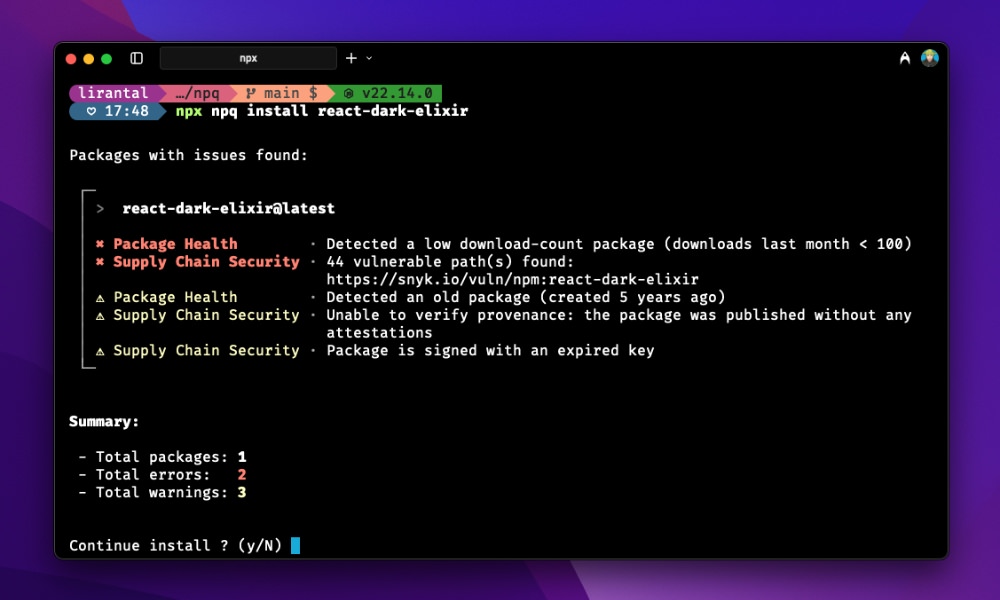
NPQ is a command-line utility that checks NPM packages for security issues before you install them. It looks for known vulnerabilities, suspicious install scripts, missing metadata, deprecated or risky packages, and signs of typosquatting. This utility helps you in minutes stay safe when adding new dependencies.
Key takeaway: Cup keeps your pipeline repeatable, which cuts regressions.
Cup
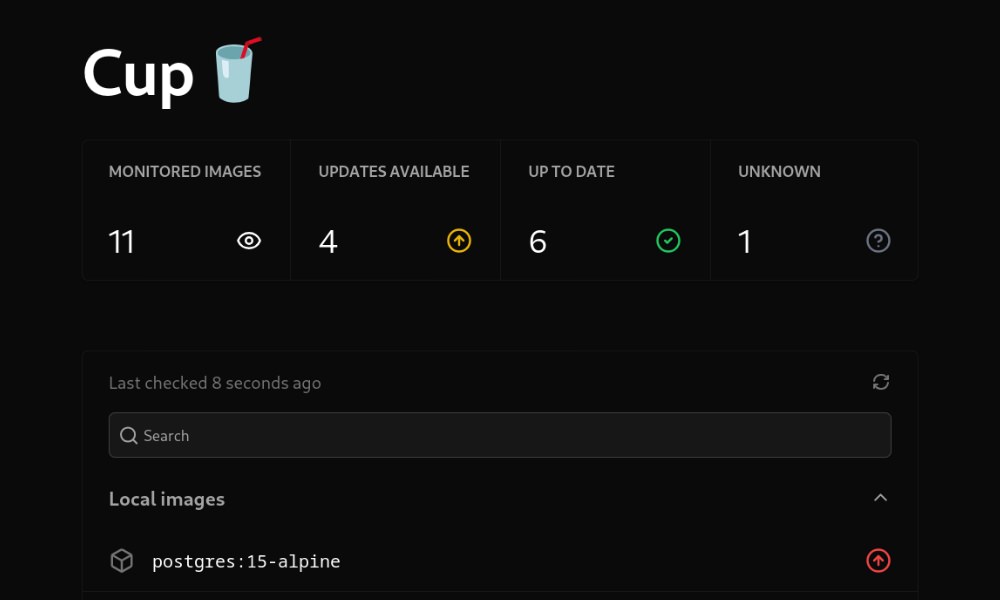
Cup is a quick, lightweight utility that helps you check for and coordinate Docker container image updates. It supports many registries including Docker Hub, GitHub Container Registry, and Quay, and runs even on low-powered devices like a Raspberry Pi. It’s a handy way to keep your Docker images up to date.
Key takeaway: Dufs reduces context-switching and lets teams ship faster.
Dufs
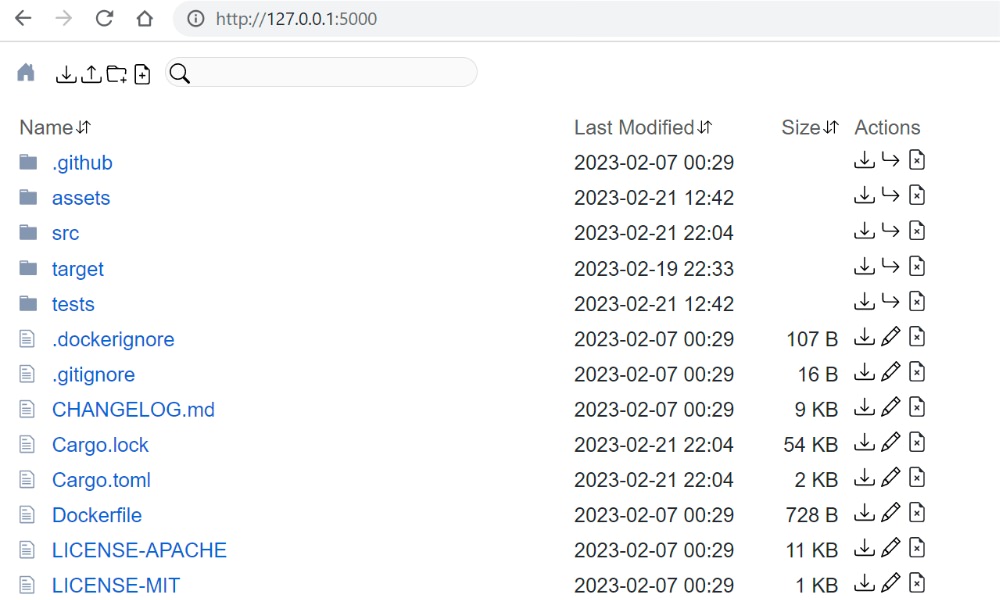
Dufs is a quick and frictionless-to-use file server written in Rust. It allows you to share files through a web browser or the command line, with features like drag-and-drop uploads, folder downloads as zip, file search, partial downloads, HTTPS, authentication, and WebDAV support. It works on macOS, Linux, and Windows, and can be installed via Cargo, Docker, or prebuilt binaries.
Key takeaway: v0 SDK offers a predictable playbook instead of ad-hoc scripts.
v0 SDK
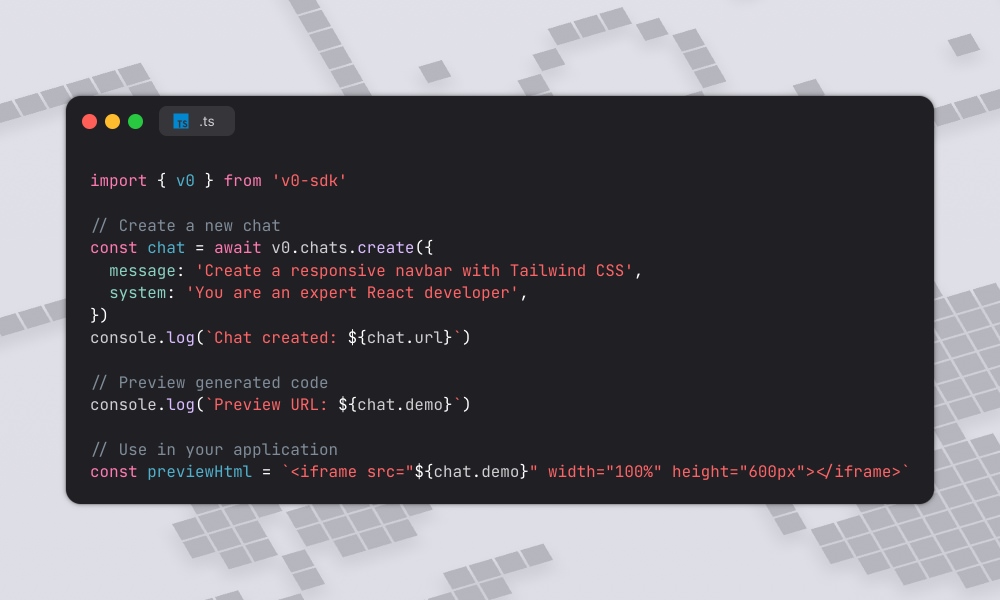
v0 SDK is a TypeScript library for working with Vercel’s v0 Platform API. It supports code generation, project management, and deployments, with features like prompt-to-code, context injection, and smooth integration with frameworks like React and Next.js. Super useful if you’re using Vercel’s platform to ship and deploy applications.
Key takeaway: Crush reduces context-switching and lets teams ship faster.
Crush
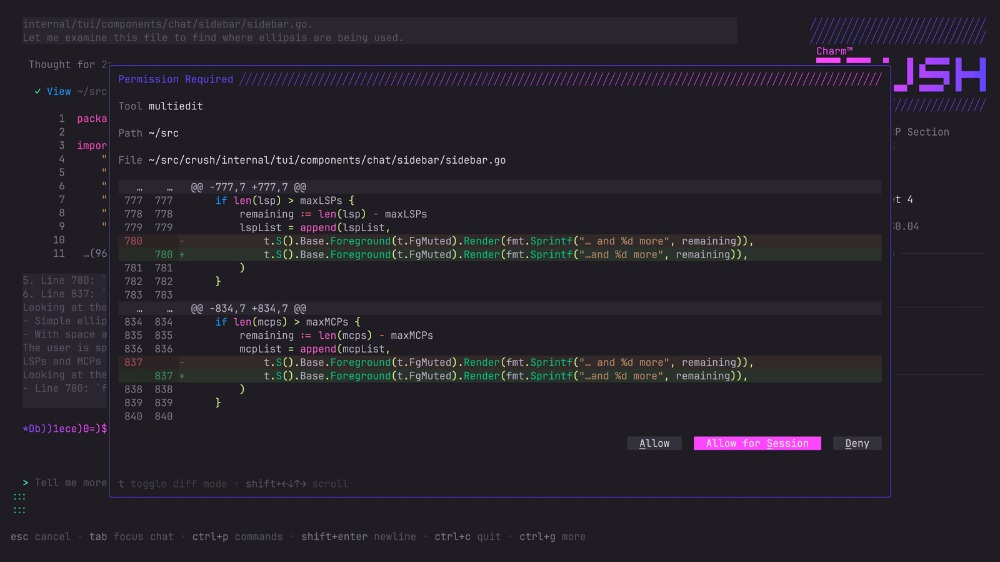
Crush is a stylish, open-source AI coding agent that runs in your terminal and connects your tools, code, and workflows to LLMs like OpenAI and Claude.
It supports the Language Server Protocol (LSP), session management, and extensions via MCP, and works on macOS, Linux, Windows, BSDs, and more with simple installation across platforms.
It’s a great utility if you want AI-powered code assistance and refactoring directly in your terminal.
Key takeaway: RustFS simplifies handoffs—ideal when multiple projects compete for attention.
RustFS
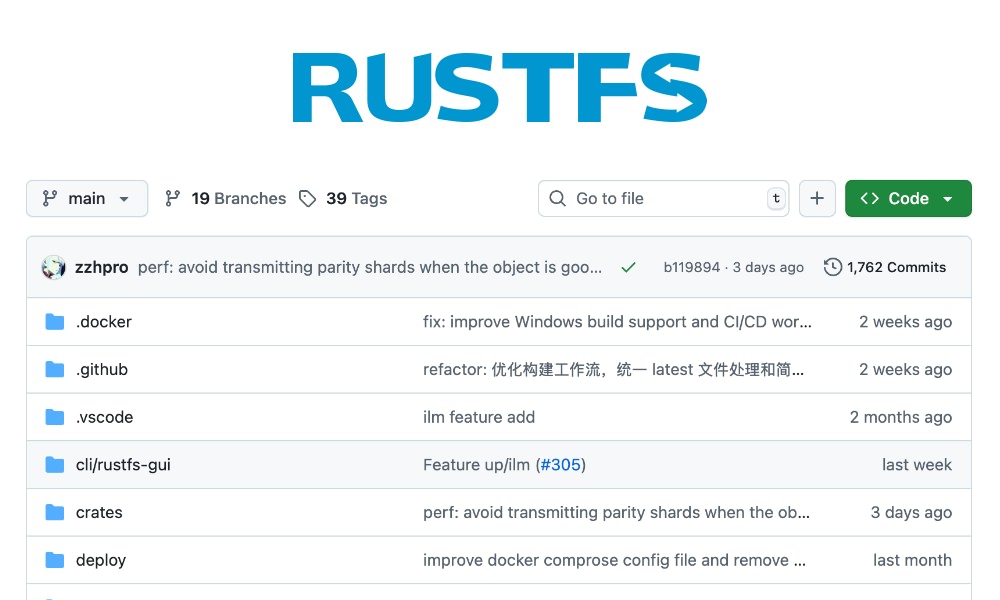
RustFS is a fast, distributed object storage system written in Rust, designed for modern cloud and big-data workloads. It supports S3-compatible storage, strong access control, and can handle large-scale data storage and retrieval efficiently.
It’s a solid choice if you’re looking for a robust, high-performance storage layer for your applications.
Key takeaway: Dockge offers a predictable playbook instead of ad-hoc scripts.
Dockge
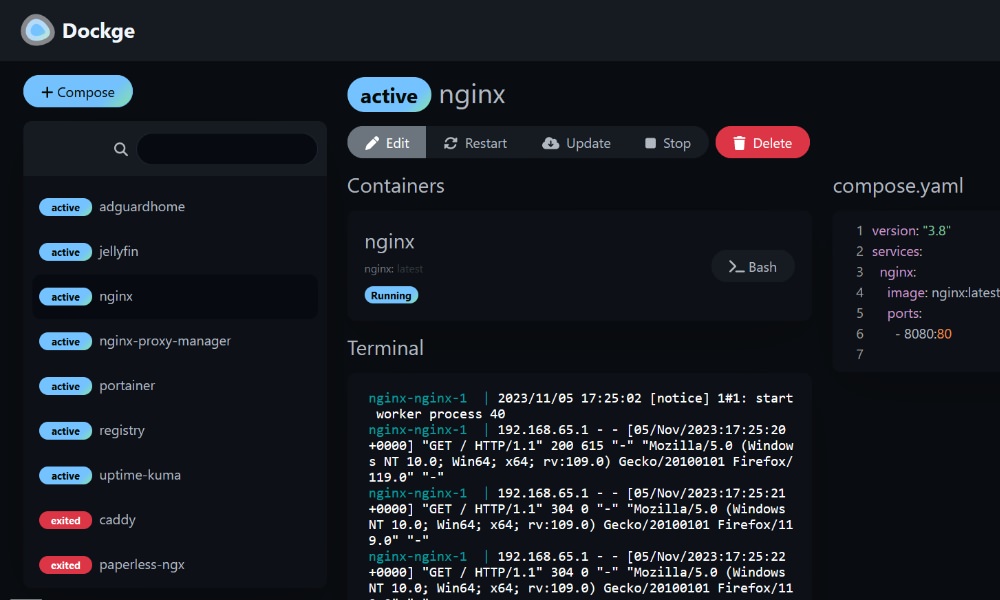
Dockge is a self-hosted Docker stack manager focused on docker-compose.yaml files. Instead of managing individual containers, it allows you orchestrate entire stacks with a polished and reactive web UI. Features include progress display, terminal access, and full directory-based stack management. A simpler alternative to utilities like Portainer.
Key takeaway: Remeda trims setup time so you focus on results, not plumbing.
Remeda
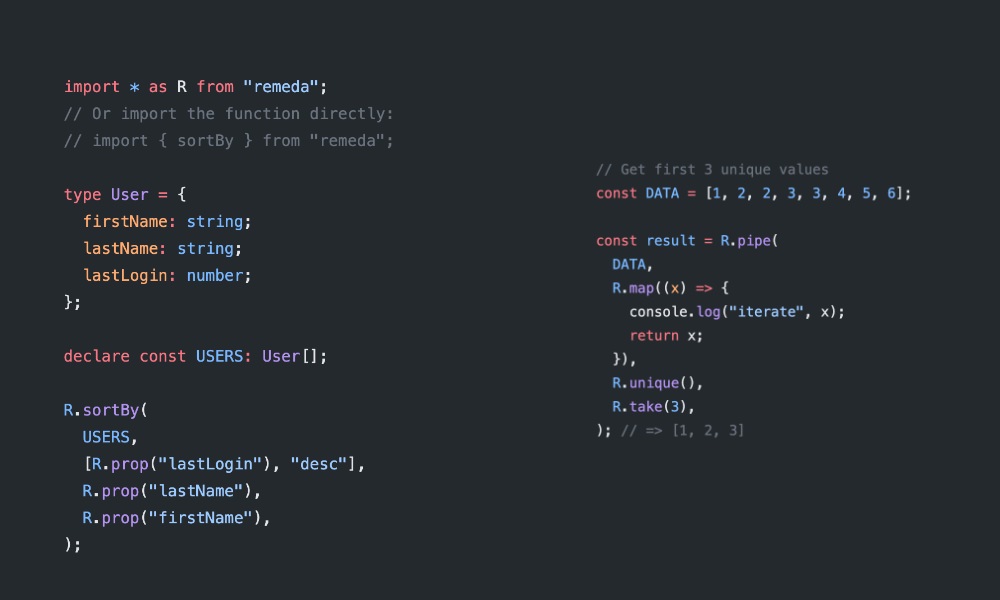
Remeda is a contemporary utility library for JavaScript and TypeScript, built entirely in TypeScript for better type safety and IDE support. It offers both data-first and data-last functional styles, and supports lazy evaluation for efficient data processing. a solid choice if you’re looking for a lightweight and type-safe utility library to use in your JavaScript or TypeScript projects.
Key takeaway: Noxdir simplifies handoffs—ideal when multiple projects compete for attention.
Noxdir
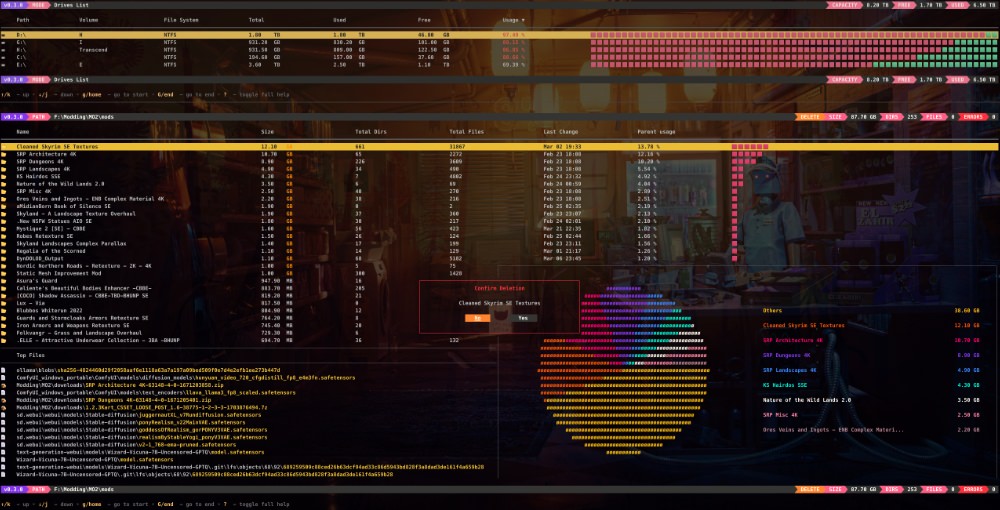
NoxDir is a quick, cross-platform terminal utility that can help you explore and orchestrate disk space on Windows, macOS, and Linux. It shows real-time disk usage such as the used, free, total, and percentage in an interactive, keyboard-driven interface. A great utility if you need to in minutes analyze disk space usage and orchestrate files efficiently.
Key takeaway: App.ship keeps your pipeline repeatable, which cuts regressions.
App.ship
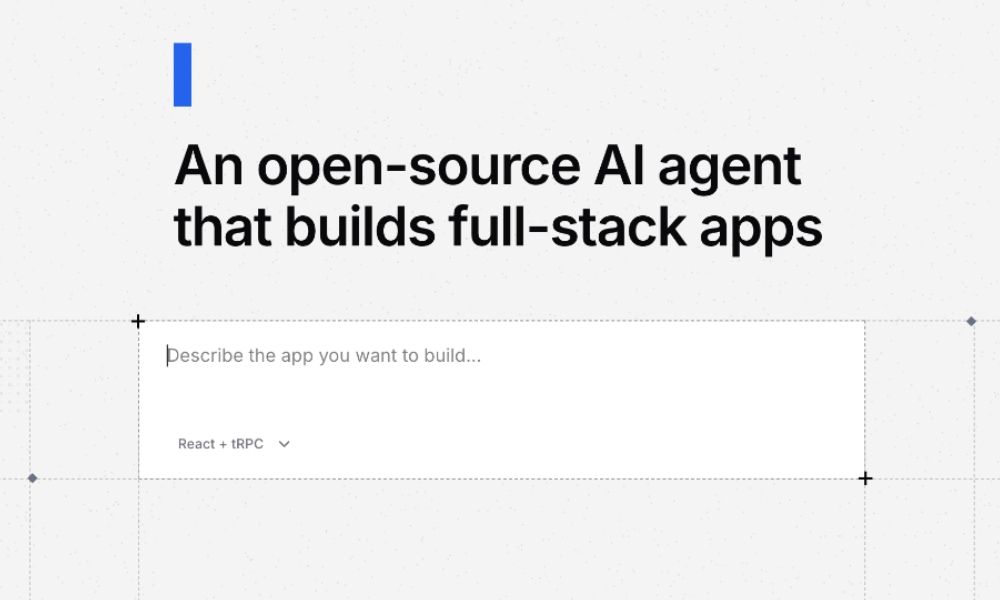
App.ship is an AI utility that helps you in minutes craft full apps, from frontend to backend, including the database, with just a straightforward prompt.
It supports contemporary stacks like tRPC applications with Bun and React, Laravel with Inertia, and Python apps. It handles validation, testing, deployment, and even writes models, controllers, and UI code for you.
A great way to in minutes prototype and ship applications without having to write all the code yourself.
Key takeaway: Sidekick reduces context-switching and lets teams ship faster.
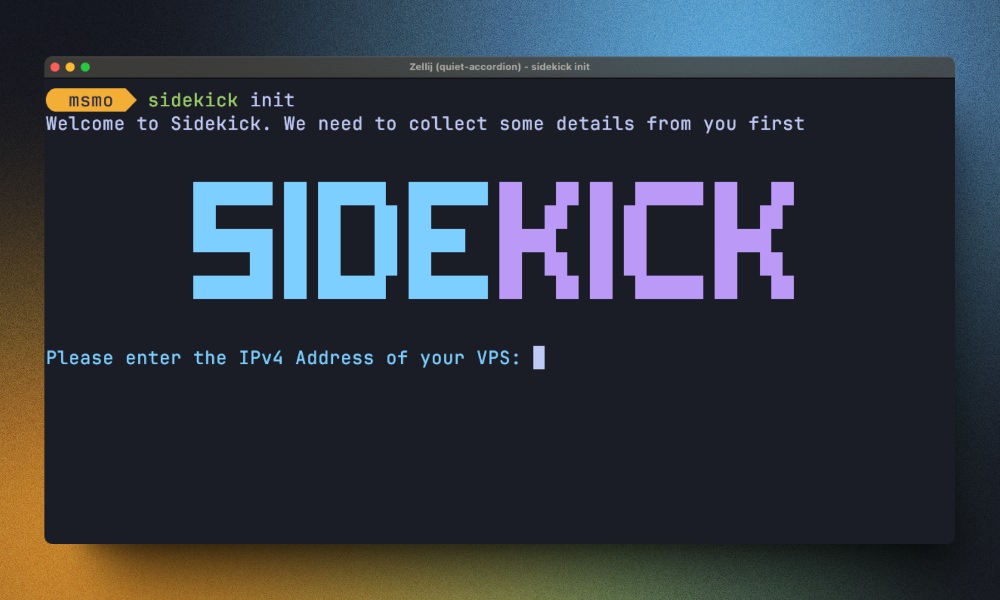
Sidekick
Sidekick is a utility designed to produce deploying and managing apps on your own VPS easier. With just one command, it sets up Docker, Traefik, SSL, and secrets management. you can in minutes deploy any app using a Dockerfile, zero downtime, and connect your own domain. a solid choice if you want to self-host your applications without the hassle of managing all the infrastructure yourself.
Key takeaway: Scenario trims setup time so you focus on results, not plumbing.
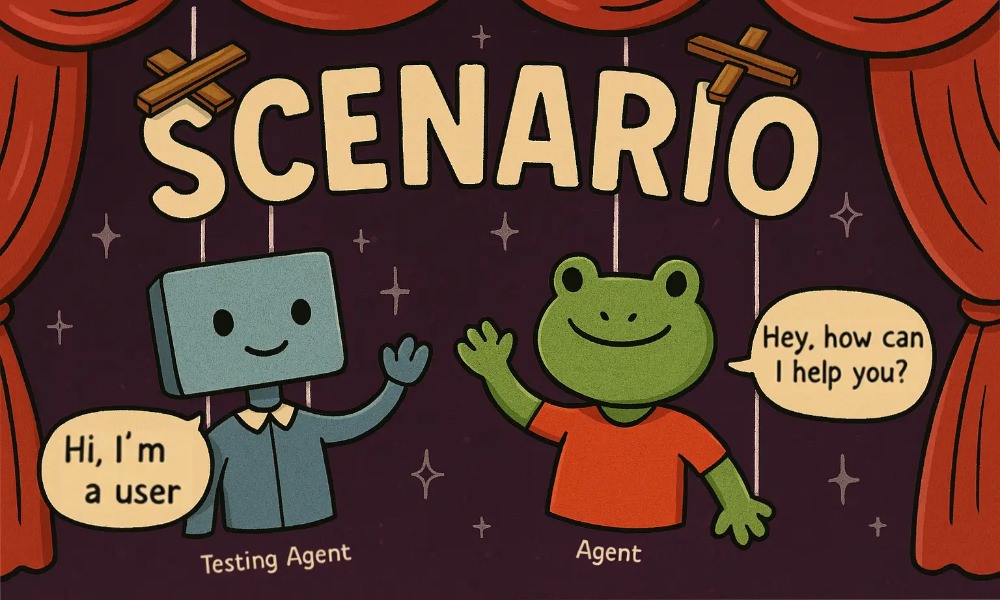
Scenario
Langwatch Scenario is a utility that helps you in minutes test AI agents by simulating real conversations with users. Instead of checking things by hand, you can in minutes set up full chat scenarios, define what should or shouldn’t happen, and run tests automatically. It works with any AI model and helps you in minutes catch mistakes before they reach users. A great way to ensure your AI agents are working as expected and providing a good user experience.
Key takeaway: Director simplifies handoffs—ideal when multiple projects compete for attention.
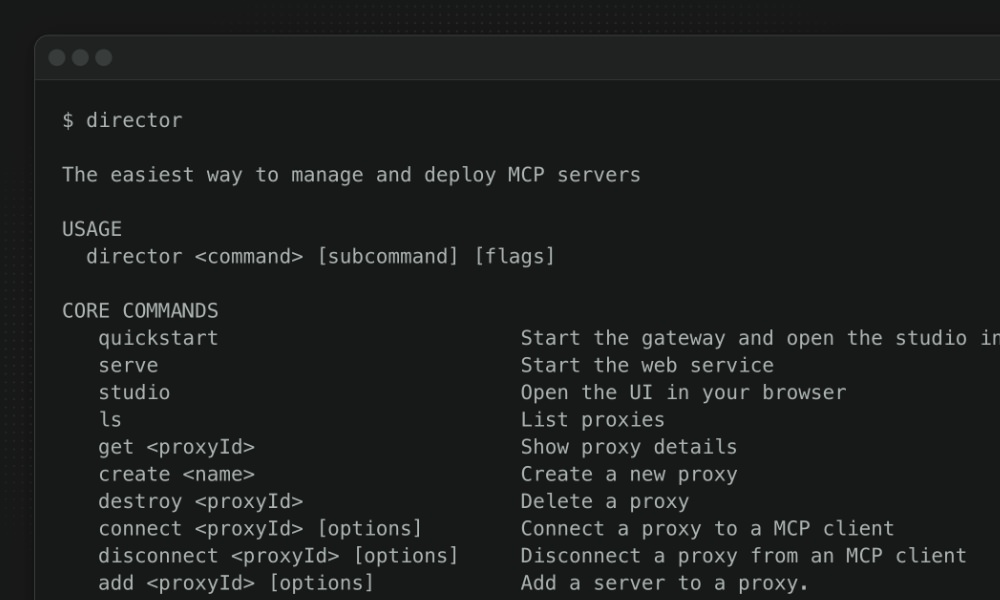
Director
Director is a free and open utility that makes it much easier to connect your MCP servers to AI utilities like Claude, Cursor, or VSCode. It is specifically designed to handle multiple MCP servers, so you don’t need to deal with complex JSON files. A useful utility for engineers who want to streamline their pipeline and connect their MCP servers to AI utilities.
Key takeaway: Version CLI trims setup time so you focus on results, not plumbing.
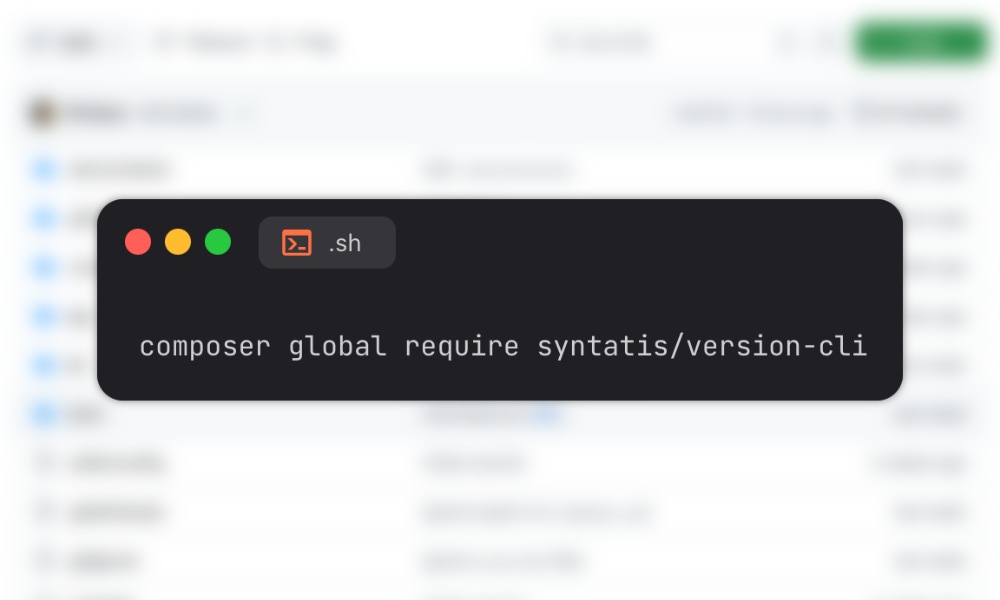
Version CLI
Version CLI is a straightforward PHP utility for the command line that allows you to check, compare, and orchestrate Semantic Versioning strings. A useful utility if you need to, for example, bump version, check if a version is valid, and compare versions easily.
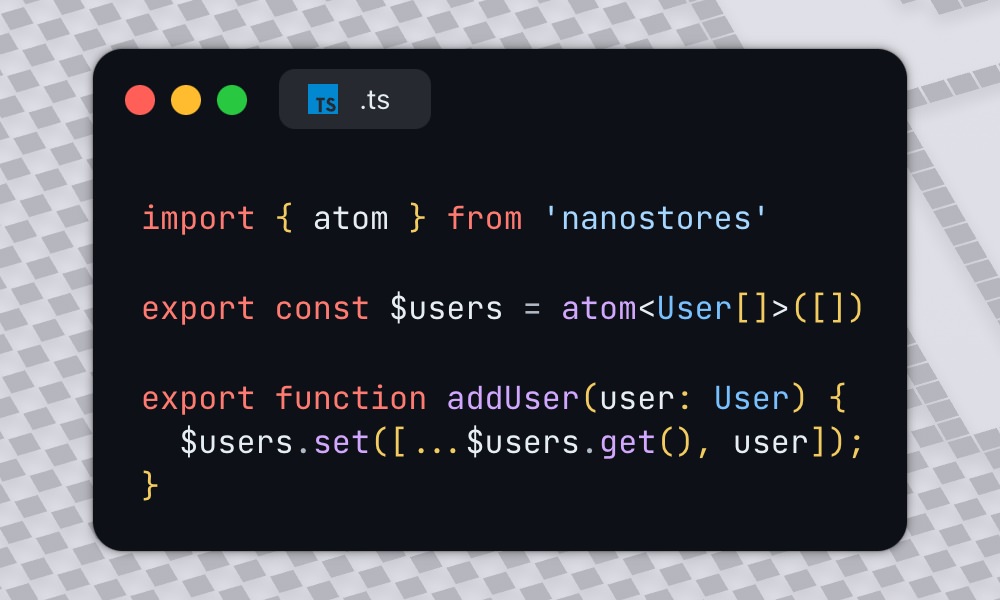
Key takeaway: Nanostores simplifies handoffs—ideal when multiple projects compete for attention.
Nanostores
Nanostores is a small and quick state management library for JavaScript. It works with any framework like React, Vue, or Svelte, and is just under 1 KB.
It supports reactive state, TypeScript, and even has built-in utilities for saving state to localStorage.
A straightforward and efficient way to orchestrate state in your web applications without the overhead of larger libraries.
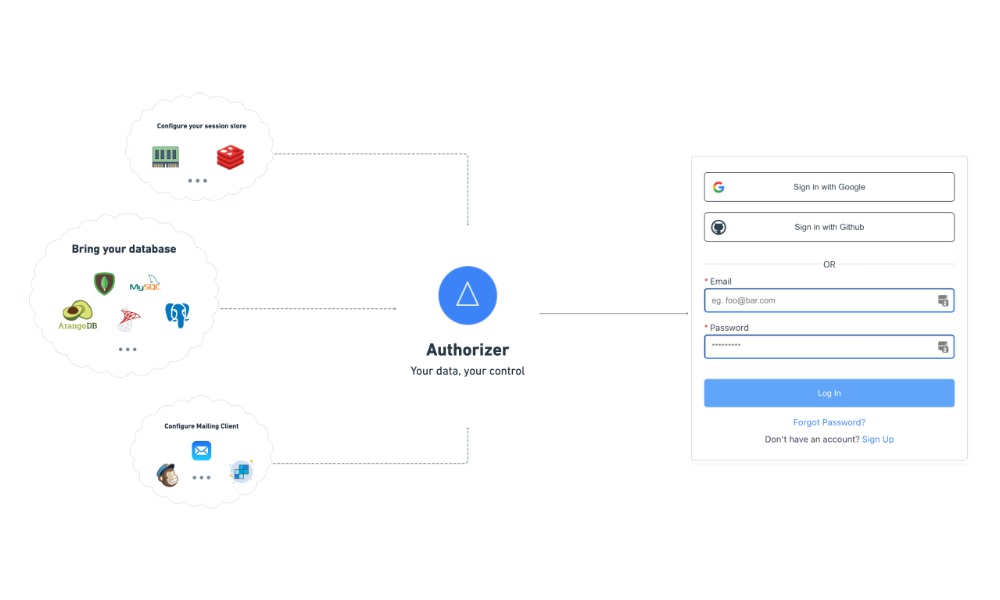
Key takeaway: Authorizer offers a predictable playbook instead of ad-hoc scripts.
Authorizer
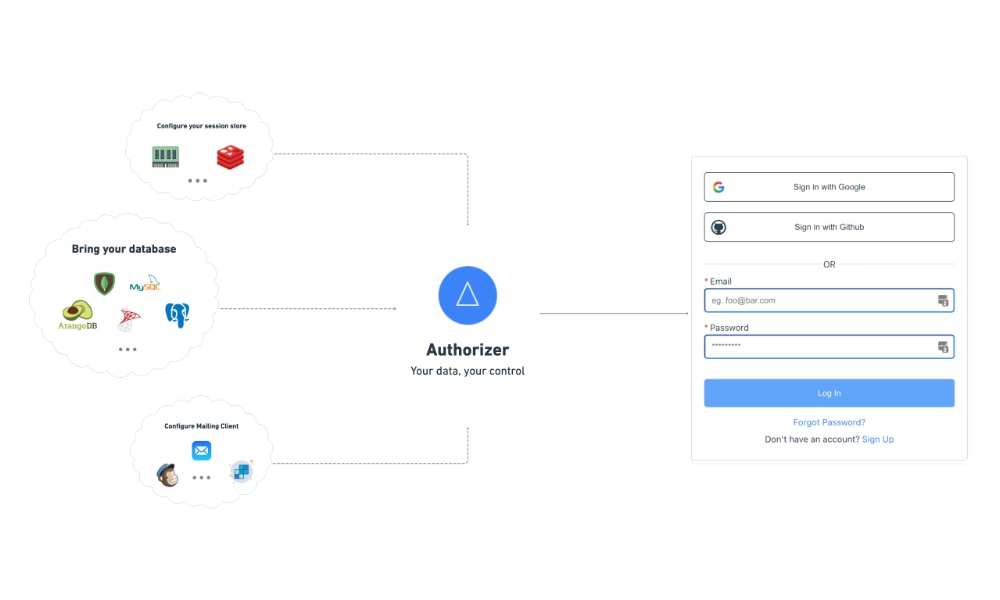
Authorizer.dev is an open-source utility that allows you to add login and user access control to your app without relying on third-party services. It supports email, social logins, magic links, and works with databases like PostgreSQL and MySQL. you can in minutes host it yourself, keep full control of user data, and integrate it easily with frontend apps using GraphQL or the JavaScript SDKs.
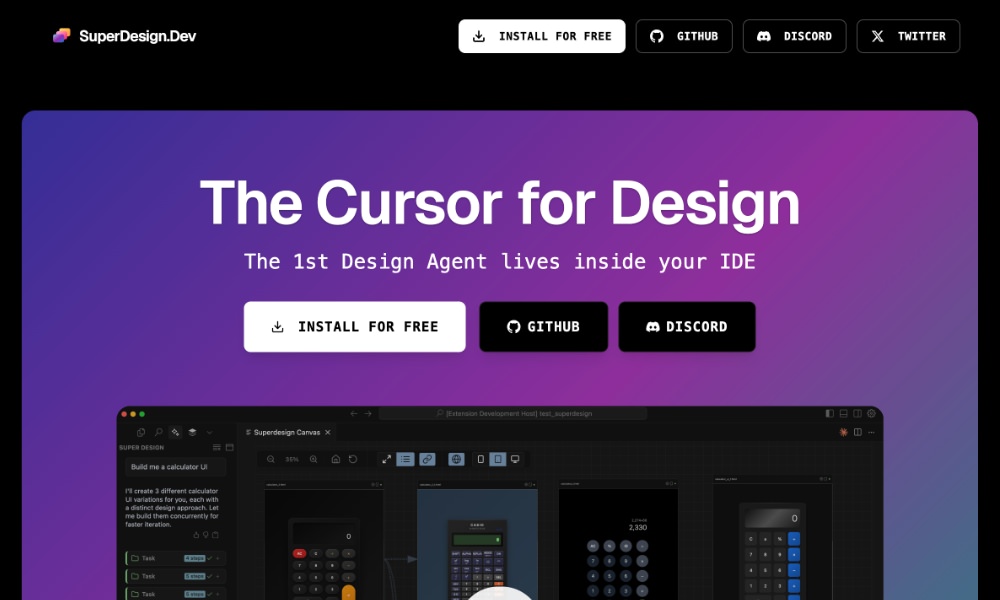
Key takeaway: Superdesign keeps your pipeline repeatable, which cuts regressions.
Superdesign
SuperDesign is an open-source AI design agent that runs in your IDE, like VS Code or Cursor, that allows you to generate UI mockups, wireframes, and components from text prompts all without leaving your code editor. ideal for design teams and engineers who want to in minutes prototype and iterate on UI designs.
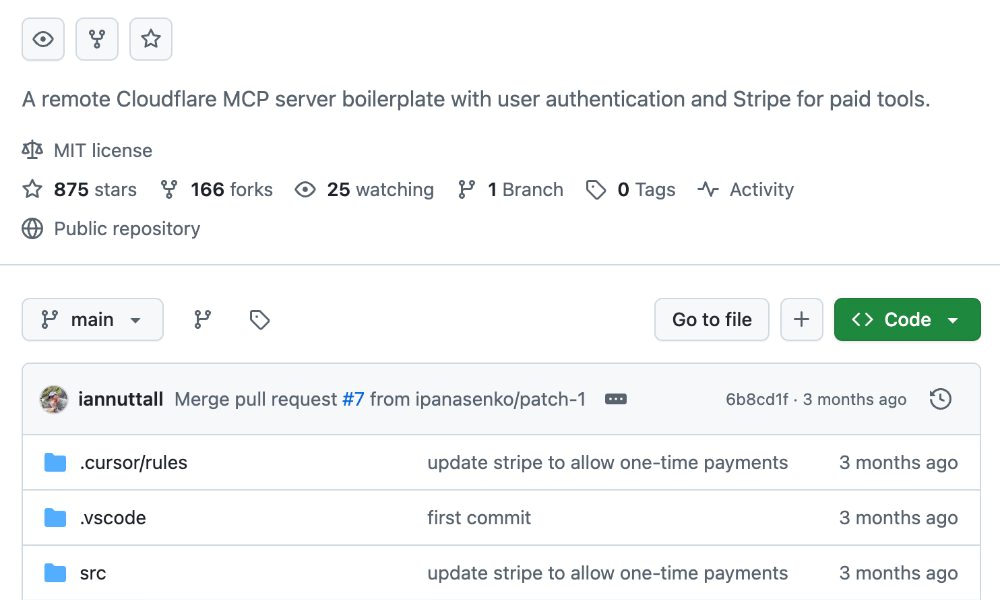
Key takeaway: MCP Boilerplate trims setup time so you focus on results, not plumbing.
MCP Boilerplate
MCP Boilerplate is a free, open-source starter kit for building remote MCP servers on Cloudflare. It includes built-in Google/GitHub login, Stripe integration for selling paid utilities, and uses Cloudflare KV for storage. A great way to in minutes set up a new MCP server without having to start from scratch, and especially useful if you’re looking to monetize your MCP server with paid utilities.
Key takeaway: craft Pull Request trims setup time so you focus on results, not plumbing.
craft Pull Request
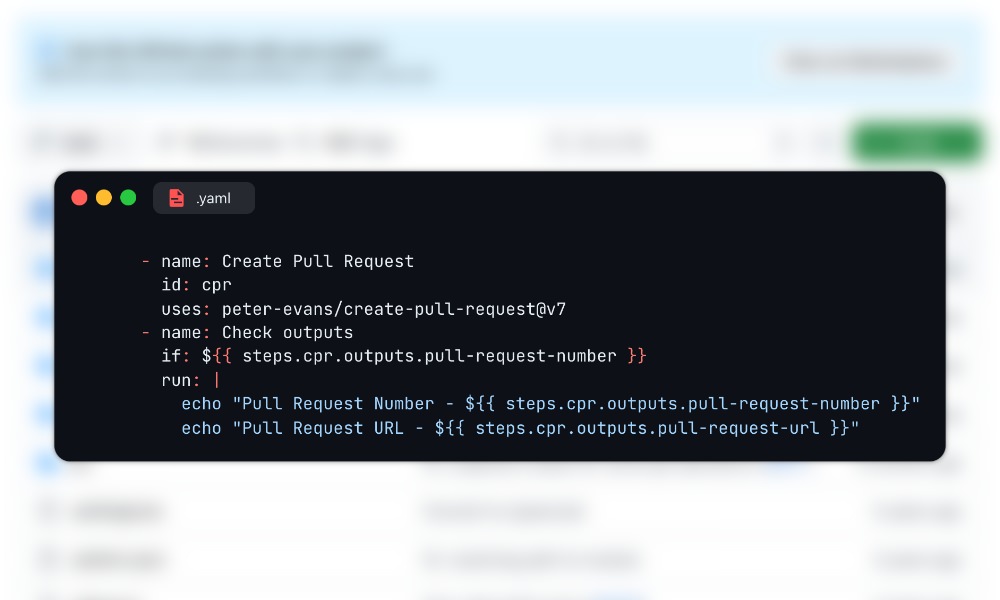
craft Pull Request is a popular GitHub Action that helps you in minutes automatically produce pull requests when files are changed during a pipeline.
It can craft or update a branch, commit the changes, and open a pull request to the main branch. you can in minutes customize things like the commit message, pull request title, labels, and more.
It is useful for automating tasks like code formatting, syncing files, or updating data on a schedule.
Key takeaway: Docker Volume Backup offers a predictable playbook instead of ad-hoc scripts.
Docker Volume Backup
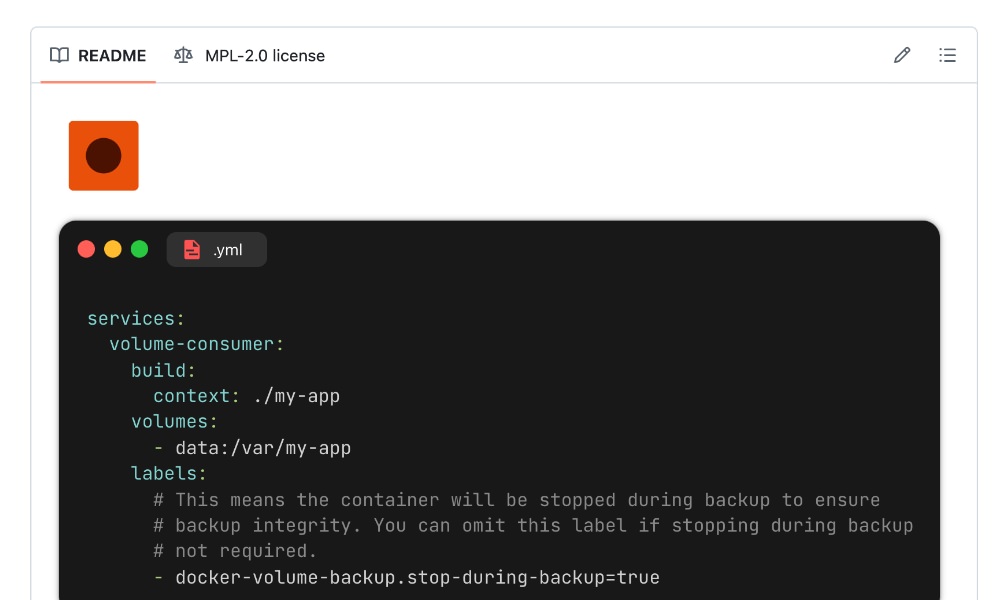
Docker Volume Backup, as the name implies, is a utility that can help you back up Docker volumes on a schedule. It supports saving backups to local folders or cloud storage like S3, Dropbox, or SSH servers. It works with both named volumes and bind mounts, and is frictionless to add to your docker compose setup.