We’re always watching for new utilities that make life easier for working engineers. This month we’ve collected a mix of tools for people building with AI, PHP, JavaScript, TypeScript, and Node.js.
Everything here is easy to test, fun to explore, and designed to remove friction from real projects.
Scroll through, pick a couple that match your current work, and give them a spin.
Key takeaway: Pino keeps your pipeline repeatable, which cuts regressions.
Pino
Pino is a quick and lightweight logging library for Node.js that outputs structured JSON logs. It is built for performance and is great for production use, making logs frictionless to parse and integrate with monitoring utilities.
Key takeaway: PHP MCP simplifies handoffs—ideal when multiple projects compete for attention.
PHP MCP
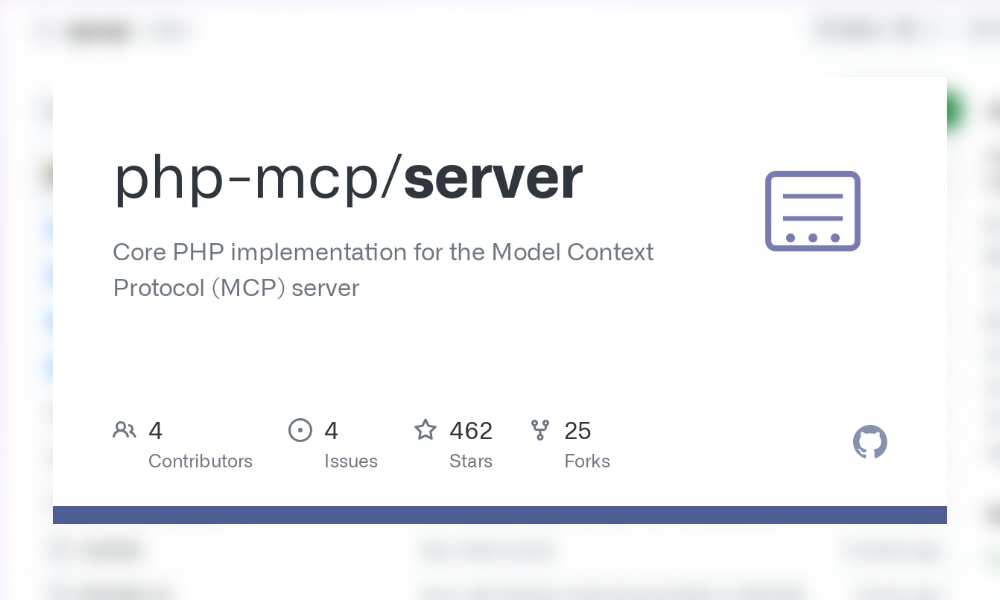
PHP MCP Server is a modern PHP SDK for building MCP servers so AI tools like ChatGPT can talk to your PHP app. It uses PHP 8 attributes, supports multiple transports such as HTTP, SSE, and stdio, and runs efficiently with ReactPHP.
Designed for PHP 8.1+, it’s a flexible, production-ready way to plug AI into existing PHP projects.
Key takeaway: Palmr simplifies handoffs—ideal when multiple projects compete for attention.
Palmr
Palmr is a secure, open-source file-sharing app that lets you upload and share files with password protection, custom links, and access control. There’s no tracking, no hard limits, and it’s built with modern tech and actively maintained.
It’s a great option if you want to share files privately and securely without relying on big SaaS providers.

Key takeaway: Effect offers a predictable playbook instead of ad-hoc scripts.
Effect
Effect is a TypeScript library for building reliable, high-performance apps with strong type safety. It manages async tasks, errors, and side effects in a functional way, with built-in support for tracing, metrics, HTTP, SQL, and more.
It’s a solid choice for engineers shipping complex applications who still want predictable behavior and clean, typed code.
Key takeaway: Doppar offers a predictable playbook instead of ad-hoc scripts.
Doppar
Doppar is a quick, contemporary PHP framework inspired by Laravel, focused on simplicity and performance. It offers routing, ORM, caching, and other essentials, and supports PHP 8.3. A great alternative framework for building polished, scalable web apps.
Key takeaway: OCRFlux simplifies handoffs—ideal when multiple projects compete for attention.
OCRFlux
OCRFlux is a fast, open-source utility that converts complex PDFs and images into clean Markdown. It handles multi-column layouts, tables, and equations with high accuracy, supports English and Chinese, and runs locally on consumer GPUs or via Docker.
It’s ideal for processing reports, receipts, research papers, and other structured documents into text you can search and edit.
Key takeaway: Databag keeps your pipeline repeatable, which cuts regressions.
Databag
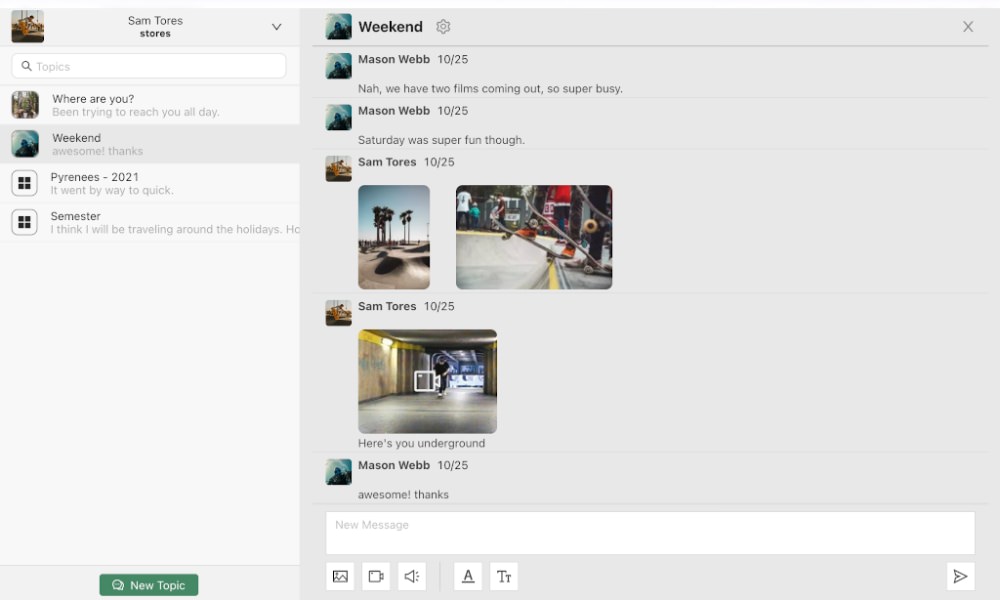
Databag is a quick, lightweight, self-hosted messenger built for privacy and low-resource environments like the Raspberry Pi Zero. It offers a responsive UI, unlimited user accounts per node, and is open-source with active development on GitHub. An ideal alternative platform for personal or small-group messaging with full control over your data.
Key takeaway: Mixpost keeps your pipeline repeatable, which cuts regressions.
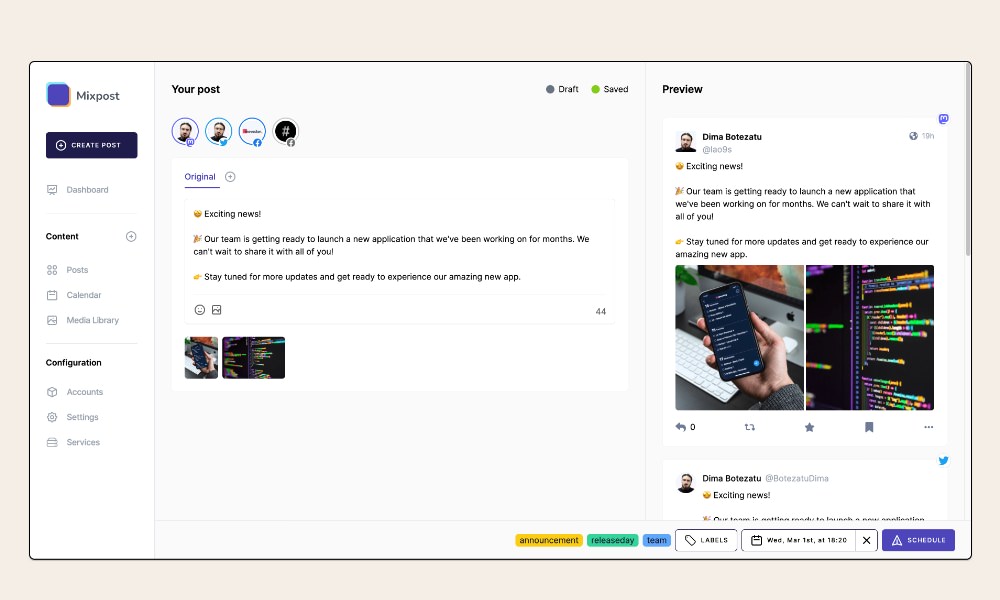
Mixpost
Mixpost is a self-hosted, open-source utility for scheduling and managing social media posts across platforms like Facebook, X, Instagram, and TikTok. It supports team collaboration, post customization, video content. I think It is a great solution for businesses and individuals looking to streamline their social media presence while keeping everything in-house.
Key takeaway: OpenSaas offers a predictable playbook instead of ad-hoc scripts.
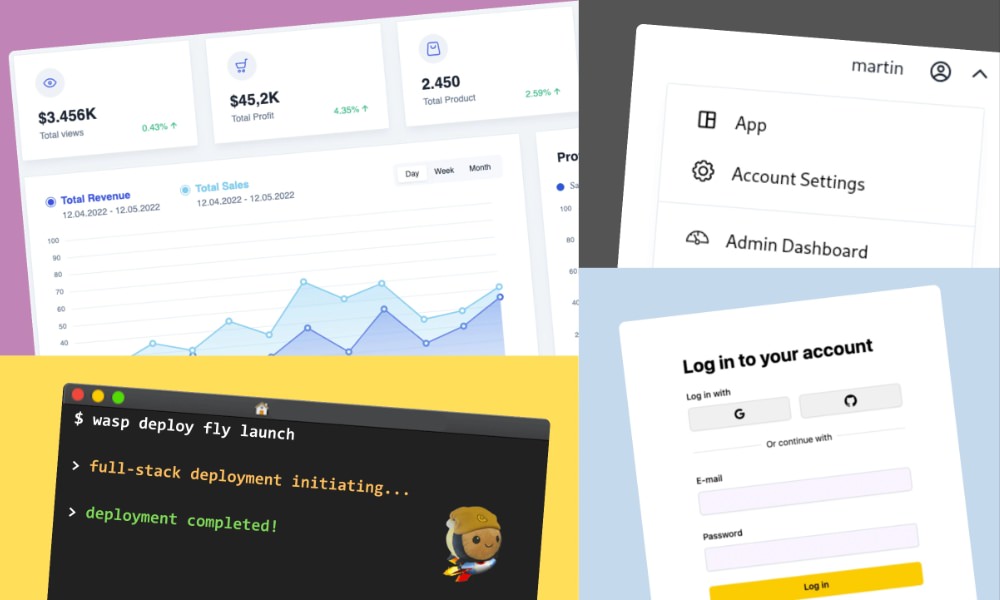
OpenSaas
OpenSaaS is a free, open-source starter template for building full-featured SaaS apps quick. Built with React, Node.js, Prisma and includes the essentials like auth, payments, and analytics out of the box. A great stack for engineers who want to launch contemporary, scalable SaaS products in minutes without starting from scratch.
Key takeaway: VSCode MCP offers a predictable playbook instead of ad-hoc scripts.
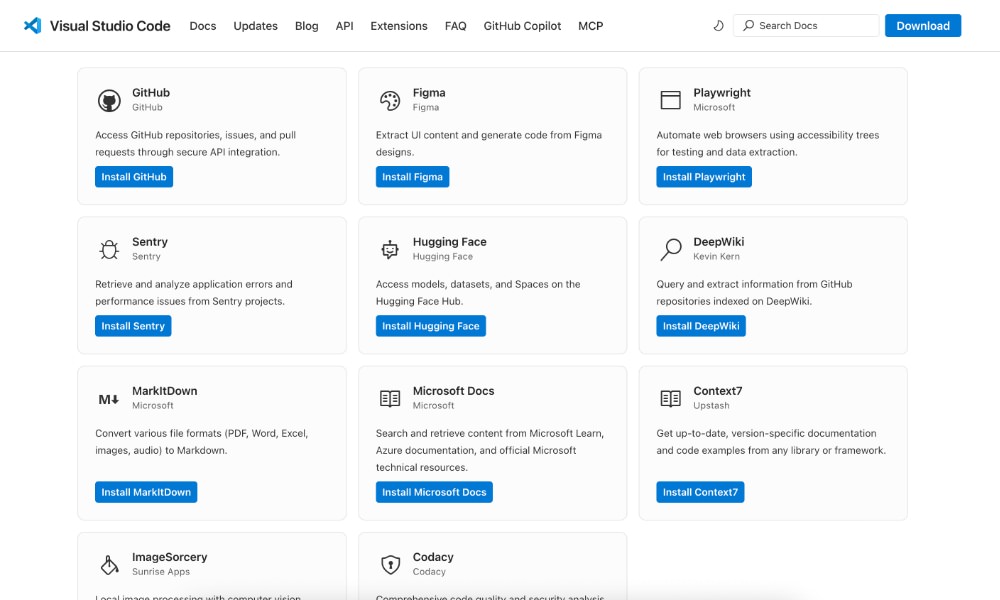
VSCode MCP
This page is a hub for discovering Model Context Protocol (MCP) servers you can in minutes use with Visual Studio Code. These MCP allows AI agents in VS Code connect to external utilities like GitHub, Figma, Playwright, and Sentry as we will as enabling actions such as testing apps, fetching data, or editing files. It is a great resource for engineers looking to enhance their coding experience with AI.
Key takeaway: Filepond reduces context-switching and lets teams ship faster.
Filepond
FilePond is a flexible JavaScript library for building sleek, accessible file upload components. It supports drag-and-drop, image previews, async uploads, and handles files from various sources. It is frictionless to customize and integrate into any web app with adapters for React, Vue, Angular, and more.

Key takeaway: Gemini CLI offers a predictable playbook instead of ad-hoc scripts.
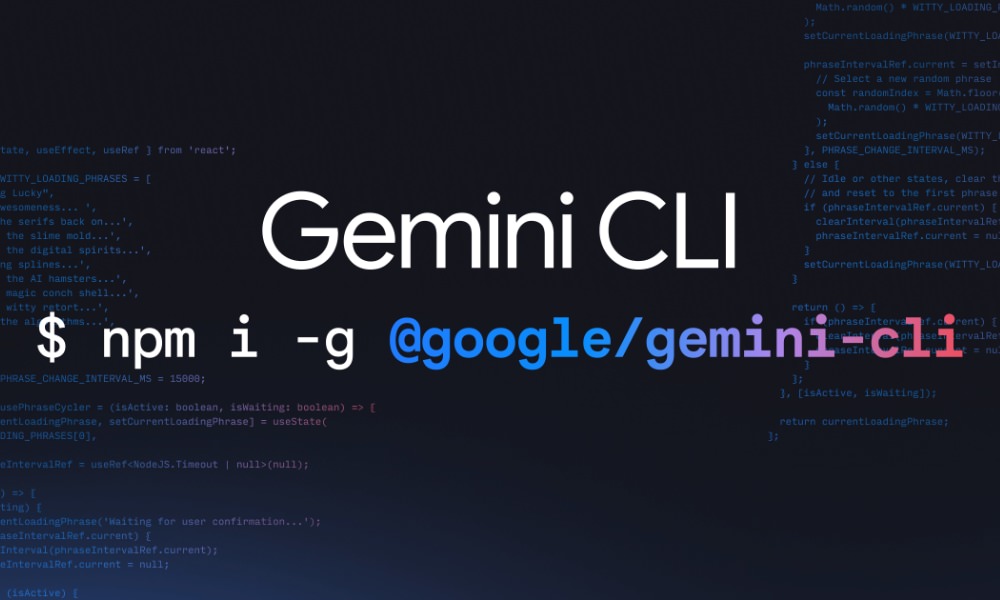
Gemini CLI
Gemini CLI is a command-line utility from Google that brings Gemini AI models right into your terminal. It can help you speed up your work by automating tasks system, generating codes as we will as content using plain language, or simply chatting with the AI.
Key takeaway: Pomposer simplifies handoffs—ideal when multiple projects compete for attention.
Pomposer
Pomposer is an experimental utility that acts as a smarter wrapper around Composer. Inspired by PNPM, it aims to avoid repeated downloads of the same dependencies, speeding up installations and saving disk space. While It is still in beta development, Pomposer shows promise for streamlining PHP dependency workflows.

Key takeaway: OpenCodeAI offers a predictable playbook instead of ad-hoc scripts.
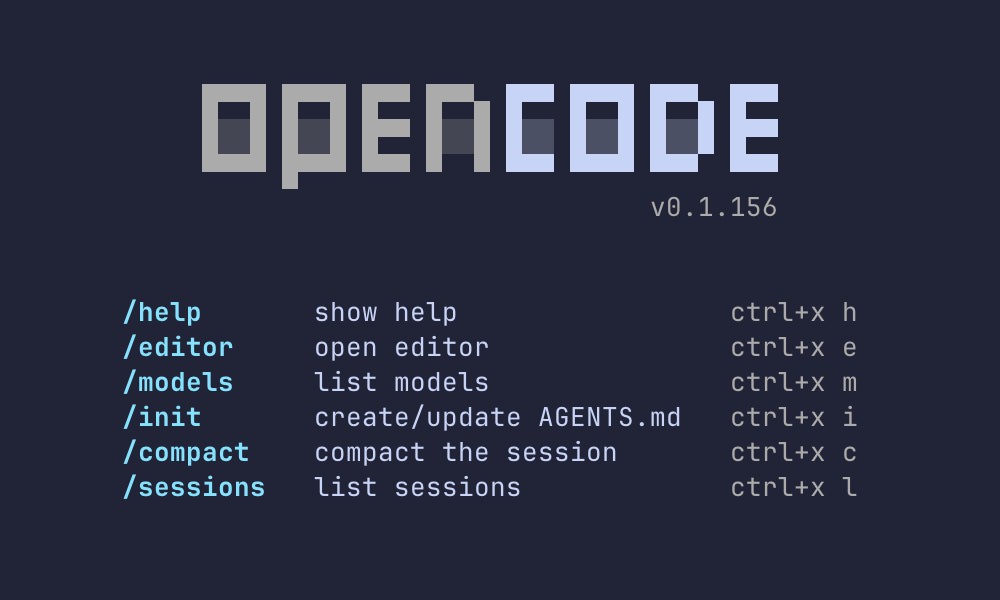
OpenCodeAI
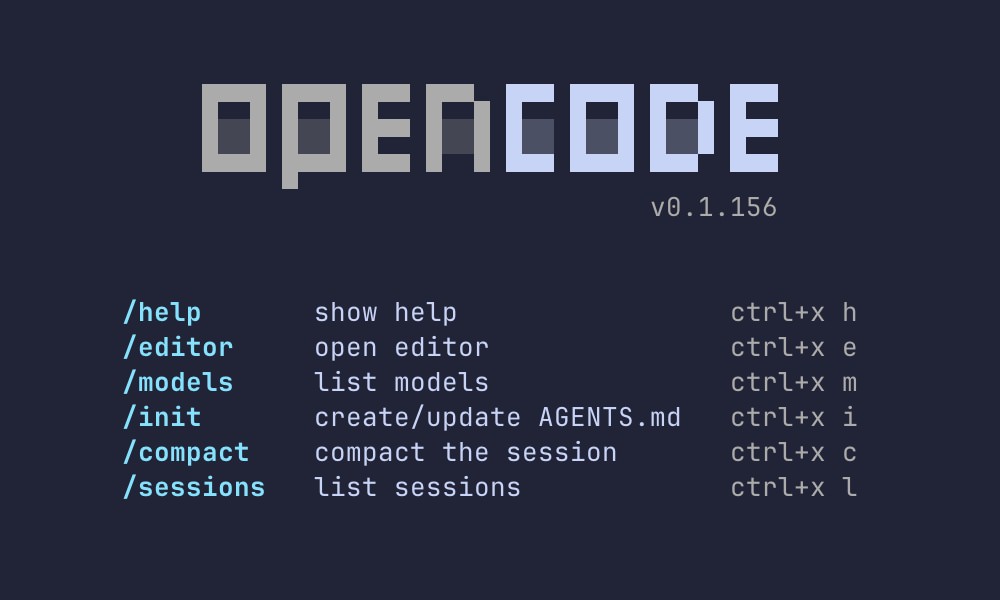
OpenCodeAI is a terminal-based AI coding assistant that works with over 75 AI models. It can understand your code through Language Server Protocol (LSP), helps with refactoring and suggestions, and runs commands directly in your terminal. It is quick, customizable, and designed to fit naturally into your coding pipeline.
Key takeaway: Models.dev reduces context-switching and lets teams ship faster.
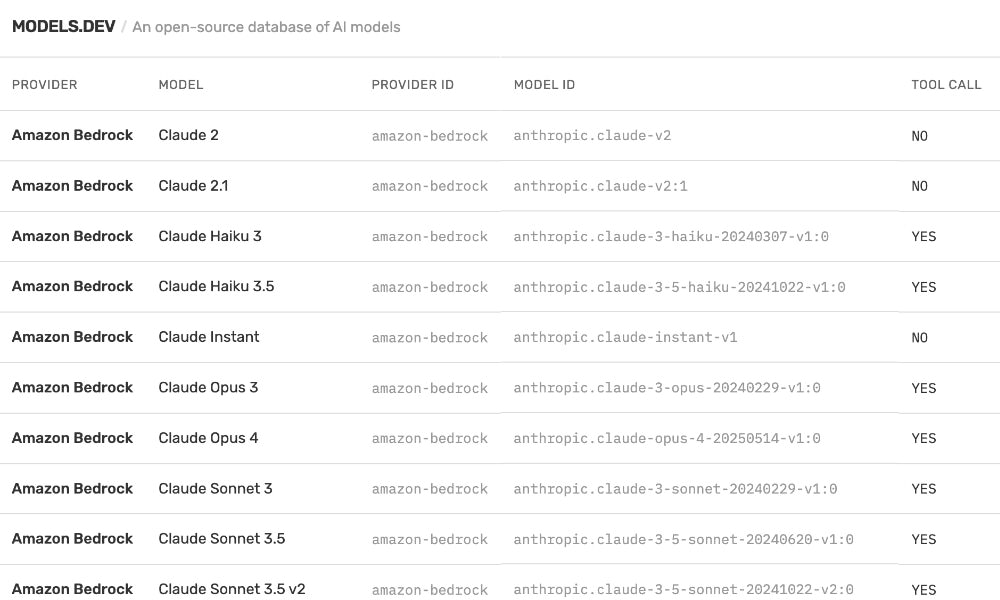
Models.dev
Models.dev is an open-source, community-driven directory of AI models that helps you in minutes compare specs, features, and pricing across providers like OpenAI, Anthropic, Amazon, and Google. It lists key details like token limits, context size, and costs which makes it a handy resource for engineers, researchers, and teams choosing the right model for their needs.
Key takeaway: Docker macOS offers a predictable playbook instead of ad-hoc scripts.
Docker macOS
This project allows you to run macOS inside a Docker container using KVM virtualization. you can in minutes access the macOS instance via a web browser, customize CPU, RAM, and disk settings, and even pass through USB devices.
It supports macOS versions 11 to 15 and can be run via Docker Compose, CLI, or Kubernetes. It is an ideal utility for testing macOS apps on non-Apple hardware like Linux or Windows.
Key takeaway: Redis Insight keeps your pipeline repeatable, which cuts regressions.
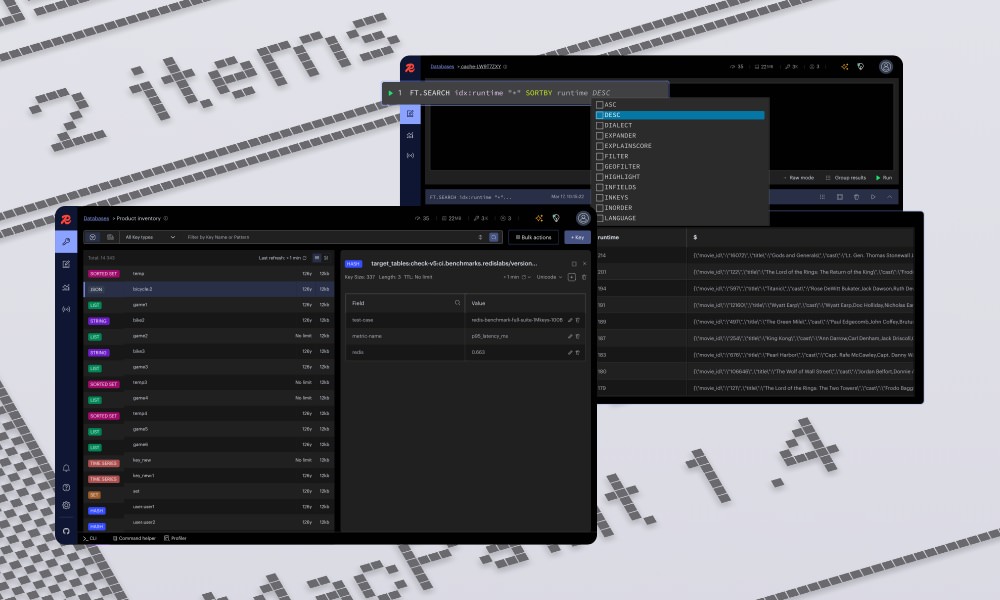
Redis Insight
Redis Insight is a free, official GUI for Redis that helps you in minutes explore, debug, and optimize your databases. It supports all Redis deployments and offers features like visual data browsing, an advanced CLI with auto-complete, AI-powe ared query assistance, performance insights, and real-time stream monitoring. It is a capable utility for both new and experienced Redis users.
Key takeaway: OpenAI Cookbook trims setup time so you focus on results, not plumbing.
OpenAI Cookbook
OpenAI Cookbook is an official GitHub repo from OpenAI that provides practical examples and guides for using the OpenAI API. A helpful resource for engineers looking to integrate and produce the most of OpenAI models with ready-to-use code and tutorials.
Key takeaway: Speedtest Tracker simplifies handoffs—ideal when multiple projects compete for attention.
Speedtest Tracker
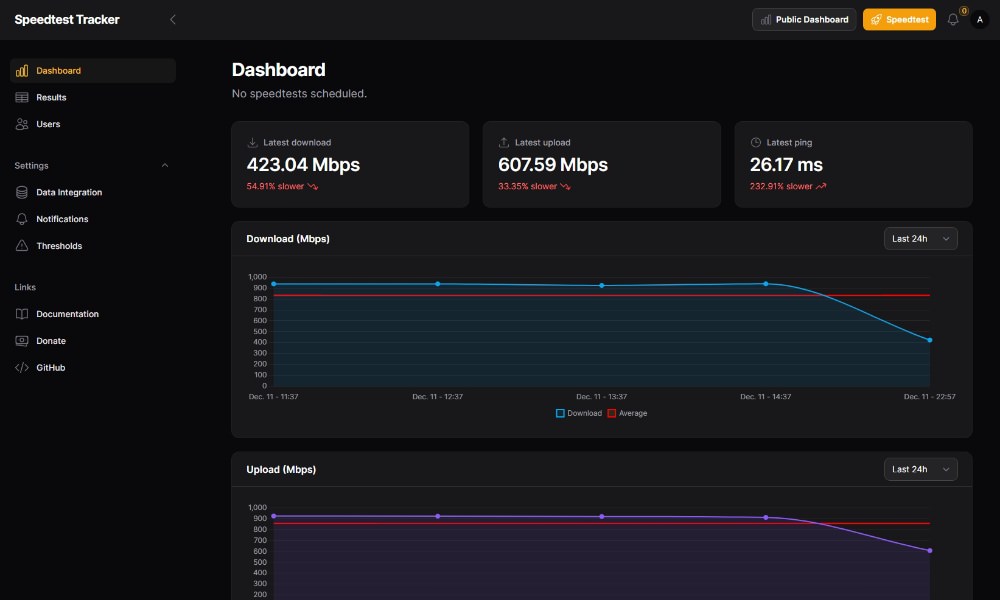
Speedtest Tracker is a self-hosted app that monitors your internet speed and uptime using Ookla’s Speedtest CLI. It runs in Docker, logs download/upload speeds, ping, and packet loss, and shows trends with graphs.
you can in minutes set alerts via email, Discord, or other channels when performance drops. ideal for keeping tabs on your internet connection’s health and performance.
Key takeaway: What’s new in DevTools 136-138 trims setup time so you focus on results, not plumbing.
What’s new in DevTools 136-138
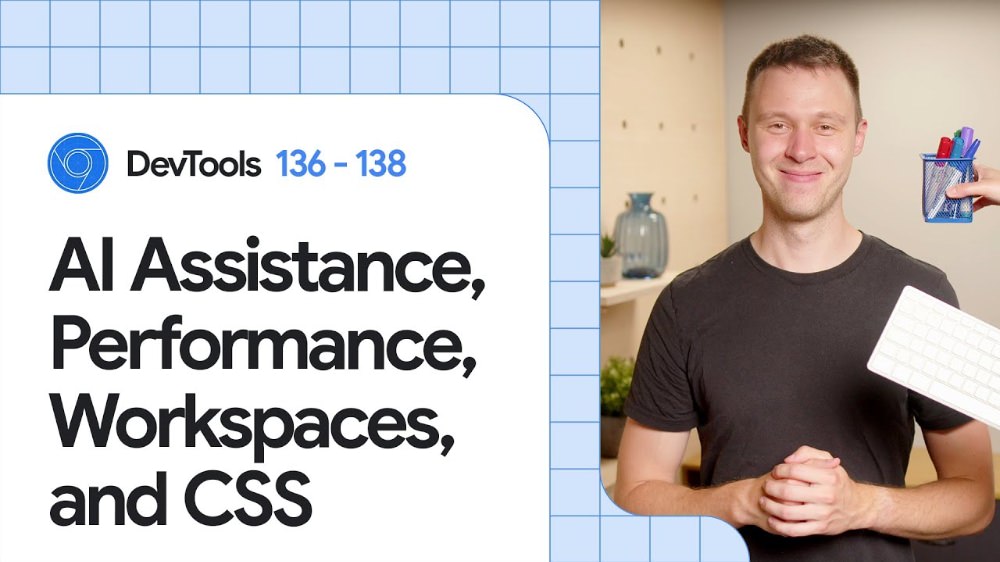
“What’s new in DevTools 136-138” by Chrome for engineers highlights the latest DevTools updates in Chrome. New features include faster workspace setup and better CSS debugging like support for corner-shape, calc(), and var().
The update brings improved AI assistance that can now keep styling changes, use screenshots in prompts, and help explain performance traces. Chrome 138 also adds helpful visual indicators for DOM issues right in the Elements panel.