It’s time again to share a fresh batch of utilities for our fellow engineers. There are a lot of great tools out there that can help you ship faster, write cleaner code, and keep projects tidy.
In this roundup, we highlight open-source tools for Tailwind CSS, notes and knowledge bases, DevOps practice, AI integrations, and more. They’re straightforward to try, fun to explore, and can make your day-to-day work noticeably smoother.
Let’s dive in and see which ones deserve a spot in your toolkit.
Key takeaway: AG UI keeps your pipeline repeatable, which cuts regressions.
AG UI
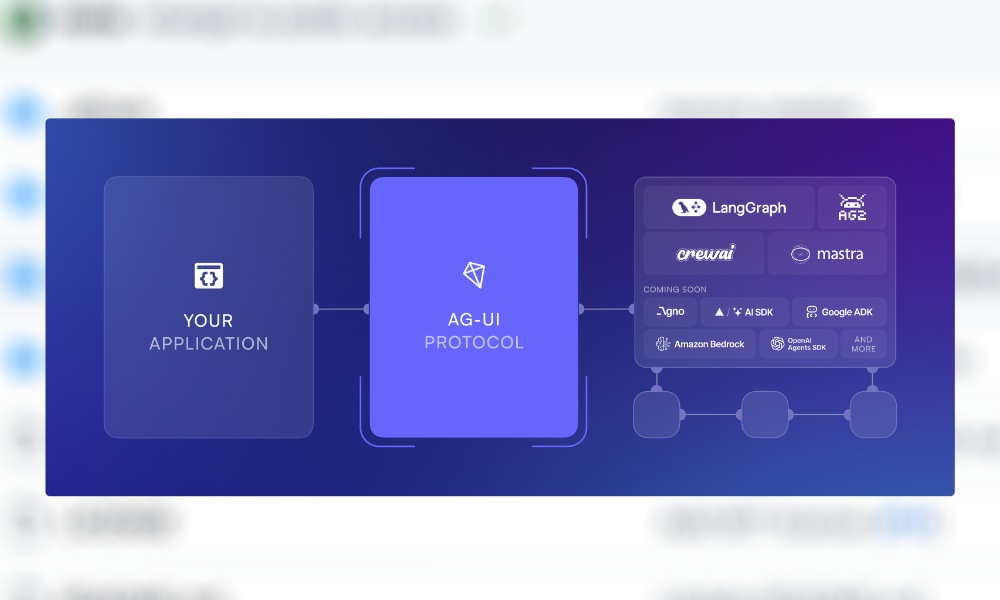
AG-UI is a lightweight protocol that helps AI agents and front-end apps to connect in real time, making it easier to handle live updates, user input, and collaboration smoothly. It supports different communication methods including WebSockets and Server-Sent Events, and it works with popular utilities like React and Vue.
Key takeaway: Luma offers a predictable playbook instead of ad-hoc scripts.
Luma
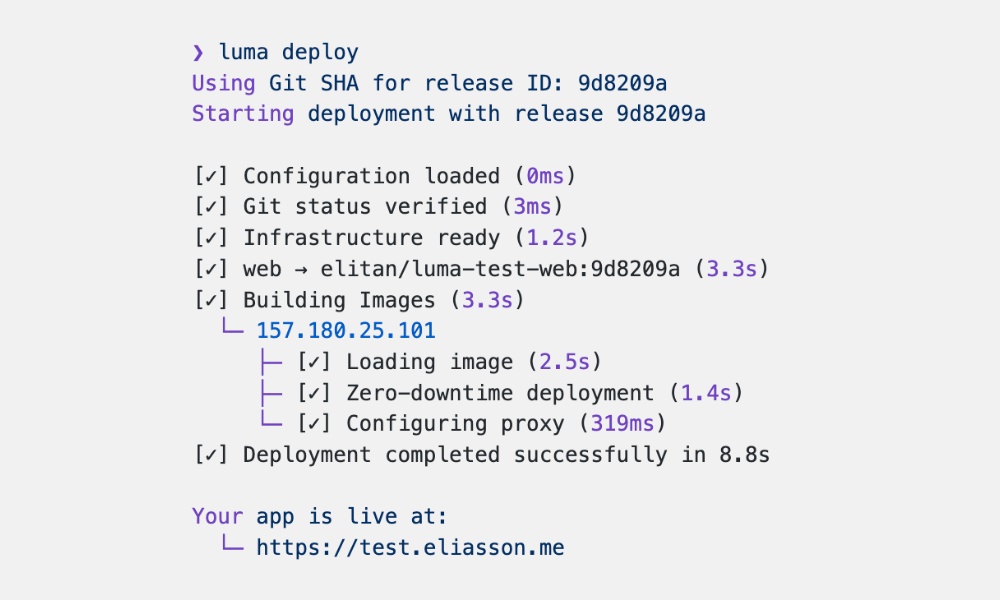
Luma is a deployment utility that allows you to ship Docker containers to their own servers with zero downtime. It supports blue-green deployments, automatic SSL via Let’s Encrypt, health checks, rollbacks, and multi-server setups. Configured with a straightforward YAML file, Luma works with both apps and services, giving engineers full control without vendor lock-in. It is built with TypeScript and Go, and can be installed as an npm package.
Key takeaway: Goose offers a predictable playbook instead of ad-hoc scripts.
Goose
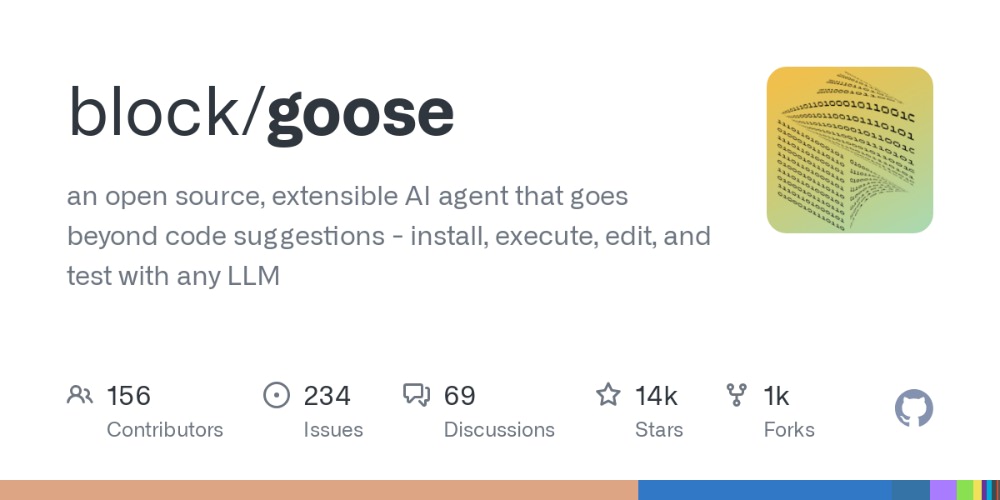
Goose is an open-source AI assistant that goes beyond code suggestions. It can automate full development tasks like debugging, testing, and deployment.
It runs locally, supports any LLM or API via MCP, and is fully extensible — ideal for engineers who want to automate repetitive work and boost productivity.
Key takeaway: Memos simplifies handoffs—ideal when multiple projects compete for attention.
Memos
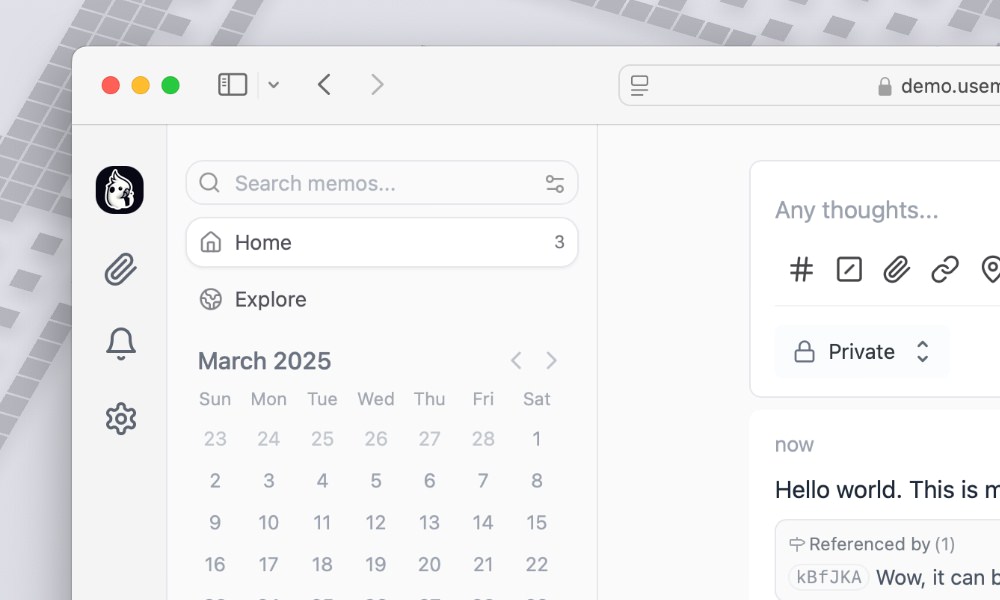
Memos is a privacy-first, self-hosted note-taking app for individuals and teams. It supports Markdown so you can write notes in a simple, readable format.
Built with Go and React, Memos stores all data locally with no cloud storage and no tracking. It’s perfect if you want to keep notes private and secure, or if you want to study how a modern note-taking app is built with Go and React.
Key takeaway: FairPM simplifies handoffs—ideal when multiple projects compete for attention.
FairPM
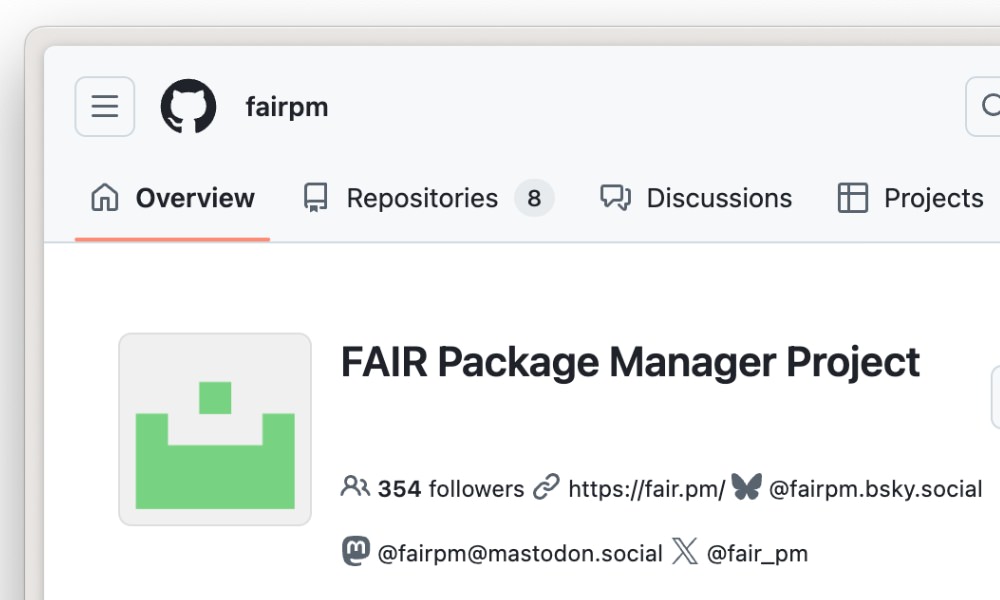
FAIR Package Manager is an open-source project backed by the Linux Foundation that promotes decentralized, federated software distribution. It includes a WordPress plugin to bypass centralized services, a protocol spec, and a mini-repo plugin to self-host packages. The goal is to give engineers more control over how software is shared and installed, especially within WordPress and similar ecosystems.
Key takeaway: FastMCP reduces context-switching and lets teams ship faster.
FastMCP
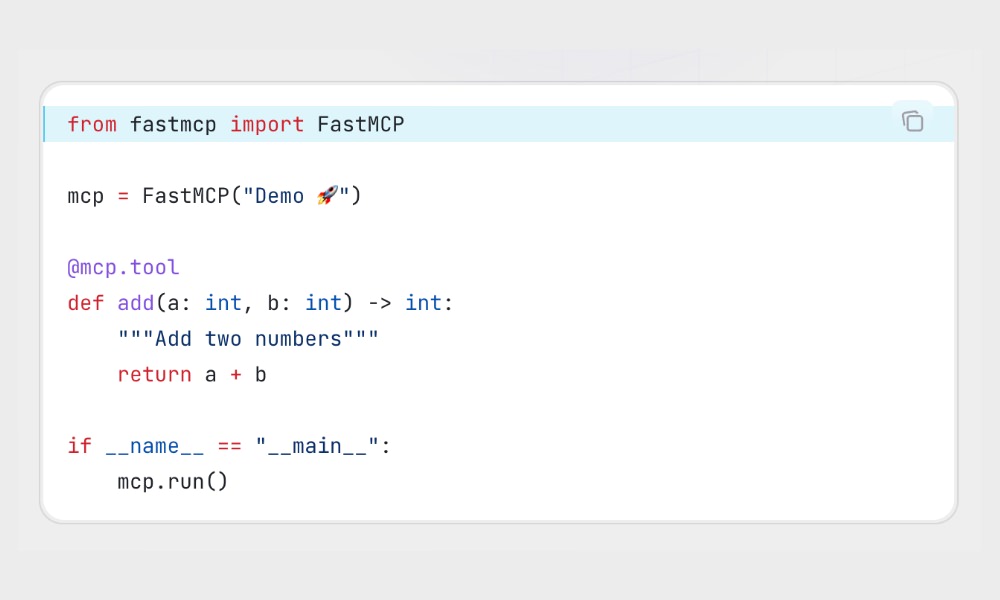
FastMCP is a lightweight Python framework for building MCP servers and tools. It hides most of the protocol complexity so you can focus on your logic using simple decorators.
It supports multiple transports and includes features like proxying and auth. Check out https://gofastmcp.com for docs and examples.
Key takeaway: Dozzle reduces context-switching and lets teams ship faster.
Dozzle
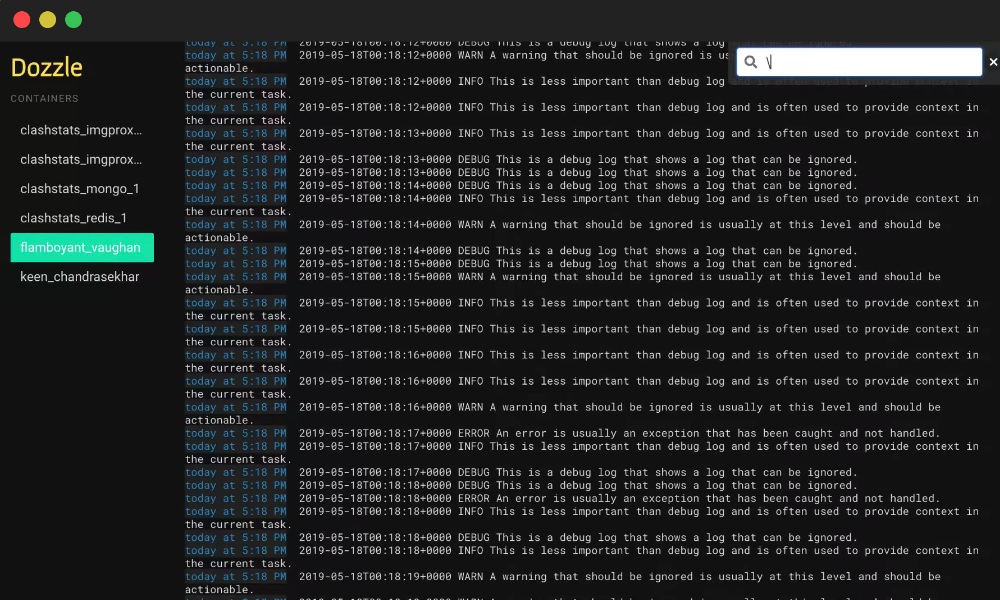
Dozzle is a real-time, self-hosted Docker log viewer with a clean web UI. It’s fast, lightweight, and doesn’t require log storage.
Features include search, split views, live stats, multi-user auth, and support for Swarm mode and Kubernetes. It ships as a tiny 7 MB Docker container and can be run with a single command.
Key takeaway: TinyLLM offers a predictable playbook instead of ad-hoc scripts.
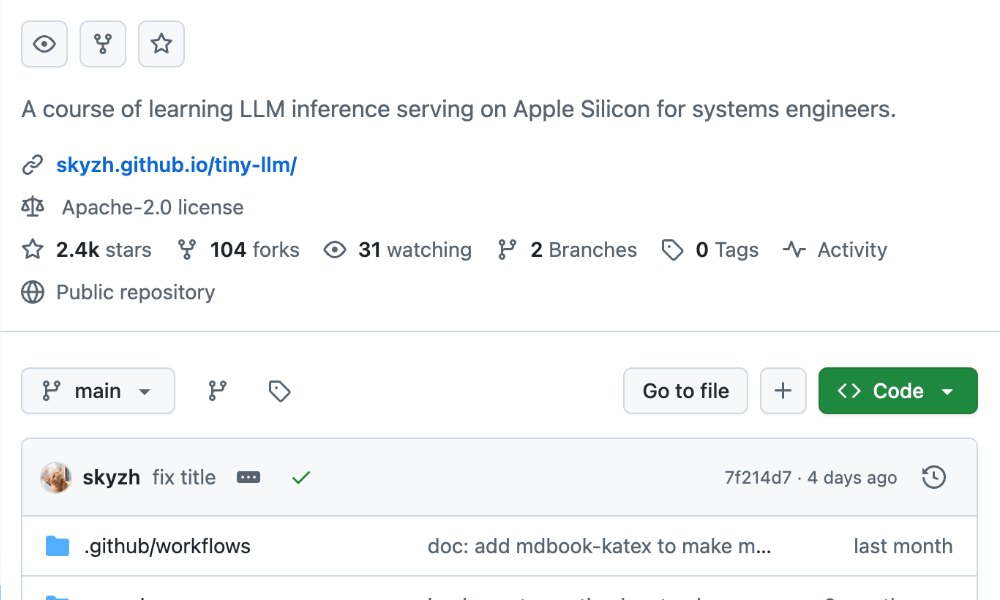
TinyLLM
TinyLLM is a project-based course that teaches you how to serve the Qwen2‑7B LLM from scratch. Across three weeks, you’ll start with basic Python, move to custom C++/Metal optimizations, and finish with batching for speed — all without heavy frameworks.
It’s built for macOS with Apple Silicon and is a great resource for systems engineers who want to understand how LLM serving works under the hood.
Key takeaway: FileKey keeps your pipeline repeatable, which cuts regressions.
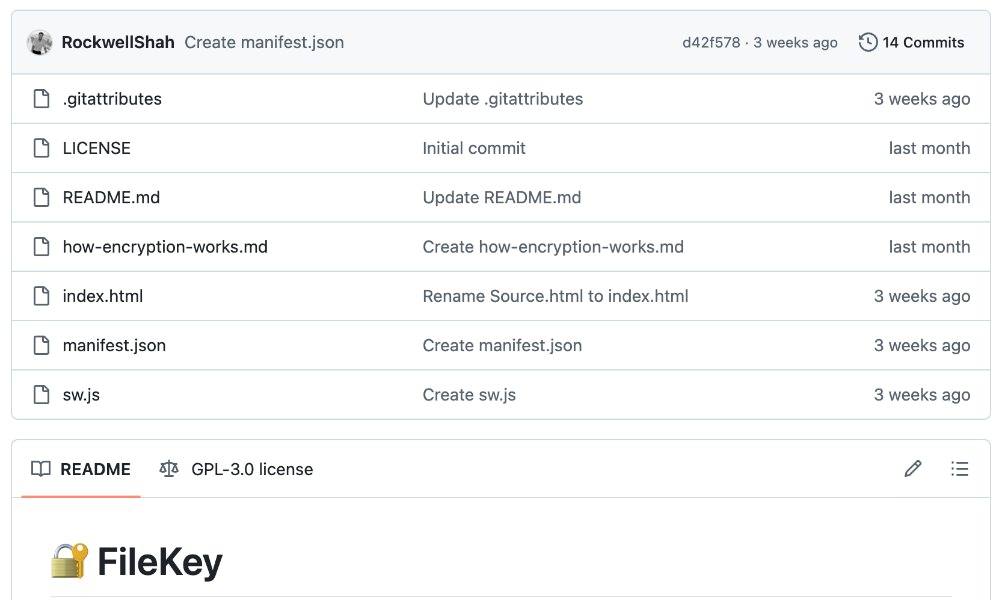
FileKey
Filekey is a utility that lets you encrypt and share files securely using passkeys. It works fully offline and keeps your data private with zero-knowledge encryption.
You can use passkeys stored in tools like iCloud Keychain or YubiKey to lock and unlock your files safely, with no passwords to remember.
Key takeaway: Crawlee reduces context-switching and lets teams ship faster.
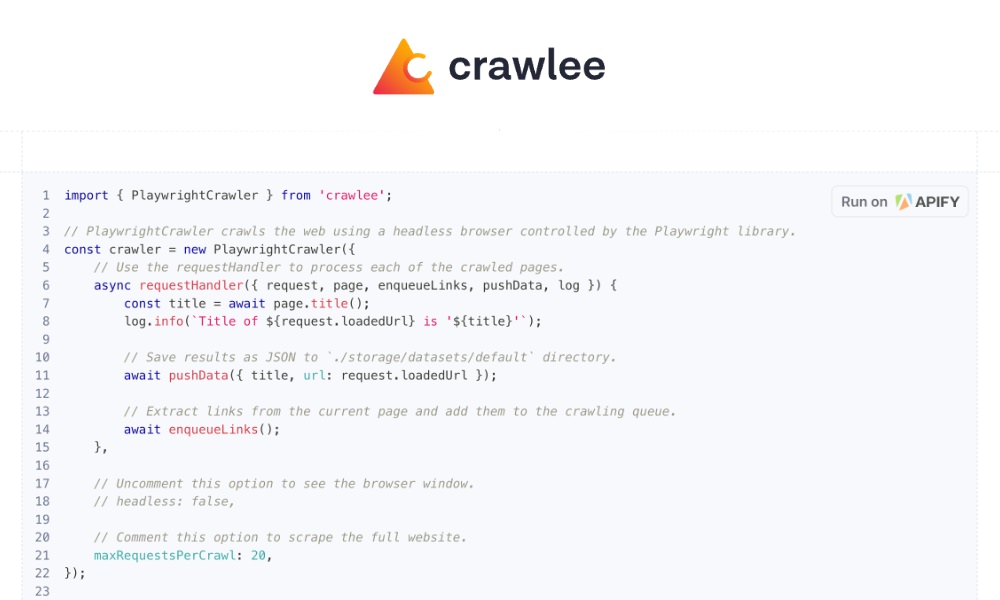
Crawlee
Crawlee is a web scraping and browser automation library for JavaScript and Python. It supports both HTTP and headless-browser crawling, handles proxies, sessions, and retries, and includes a CLI, queue management, and pluggable storage.
Designed to help avoid bot detection, it’s great for scraping dynamic sites, APIs, and files at scale.
Key takeaway: PrismPHP trims setup time so you focus on results, not plumbing.
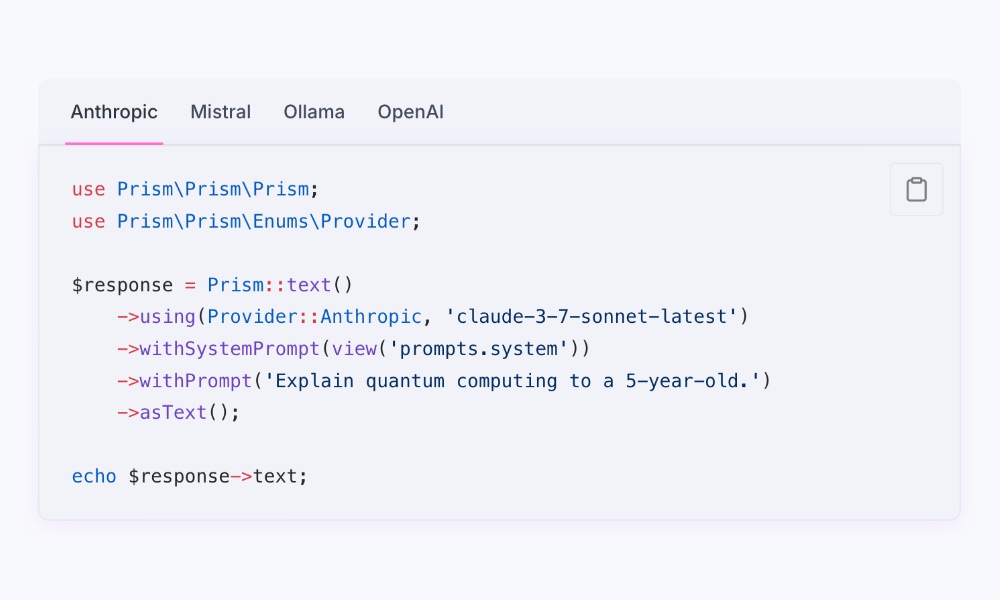
PrismPHP
PrismPHP is a Laravel package that streamlines adding AI features to your app using LLMs. It gives engineers a straightforward, consistent way to generate text and work with AI inside Laravel.
You can use it to ship features like natural-language to‑do lists or smart content tools. PrismPHP supports services like OpenAI, DeepSeek, Gemini, Groq, and AWS Bedrock.
Key takeaway: WordPress MCP simplifies handoffs—ideal when multiple projects compete for attention.
WordPress MCP
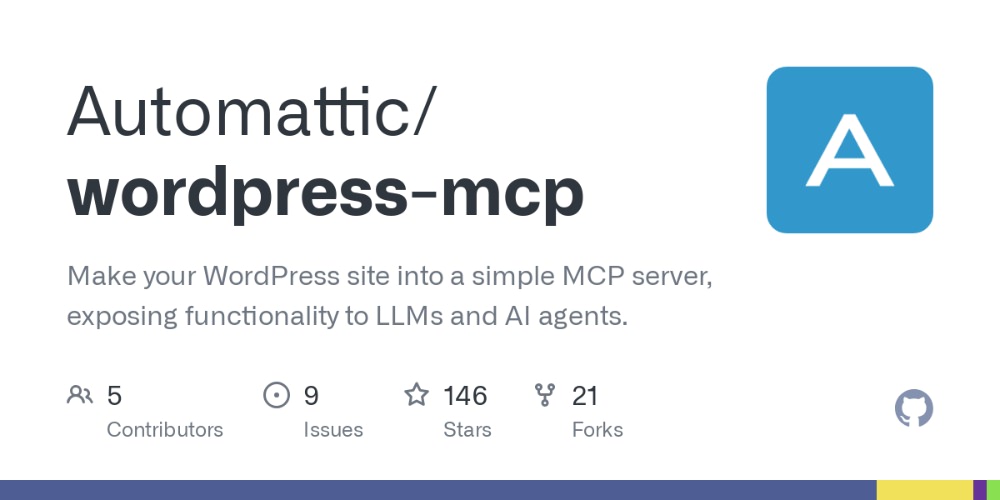
WordPress MCP is a plugin by Automattic that exposes WordPress features via the Model Context Protocol (MCP), allowing AI models and tools to interact with WordPress programmatically.
It’s a handy option if you want to ship AI-powered apps that can create, edit, or analyze content directly inside WordPress.
Key takeaway: Google Stitch trims setup time so you focus on results, not plumbing.
Google Stitch
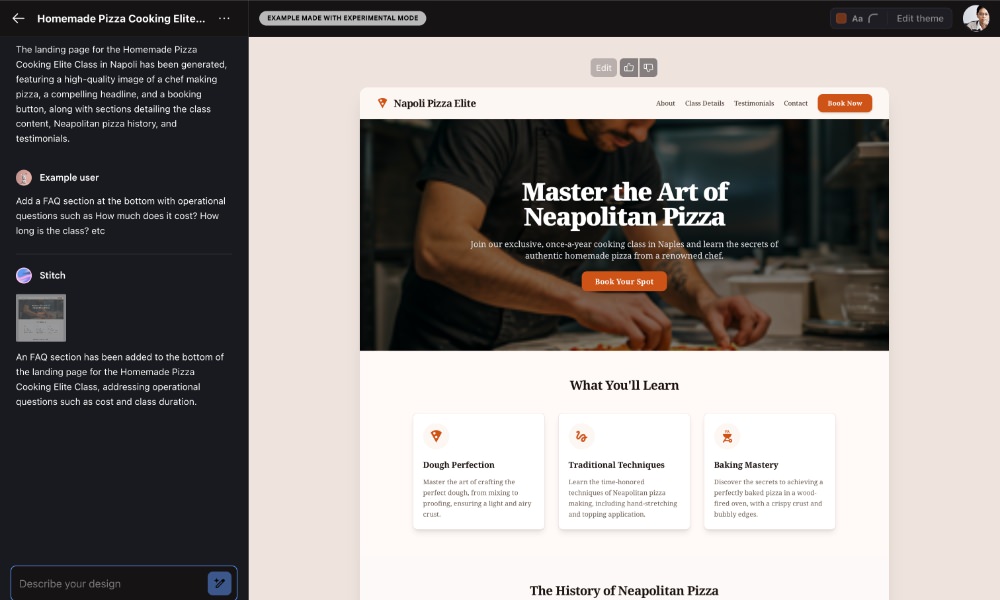
Stitch is a free AI utility from Google that turns text or image prompts into web and mobile UI designs. It’s powered by Gemini 2.5 Pro.
You can customize themes, refine designs via chat, and export code or send layouts to Figma, making it ideal for quickly generating UI mockups and prototypes.
Key takeaway: Tailwind Merge keeps your pipeline repeatable, which cuts regressions.
Tailwind Merge
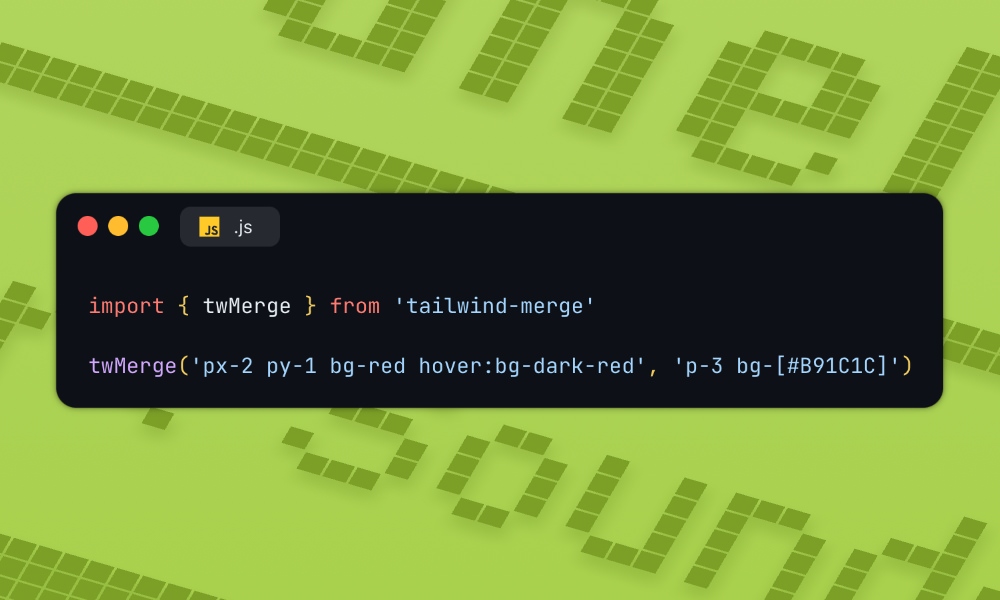
tailwind-merge is a small JavaScript utility that helps you combine Tailwind CSS class names and avoid conflicts. It’s especially useful when you have dynamic or conditional classes in React or other component-based apps.
It works with the latest Tailwind versions, supports TypeScript, and stays fast and lightweight.
Key takeaway: Google AIStudio reduces context-switching and lets teams ship faster.
Google AIStudio
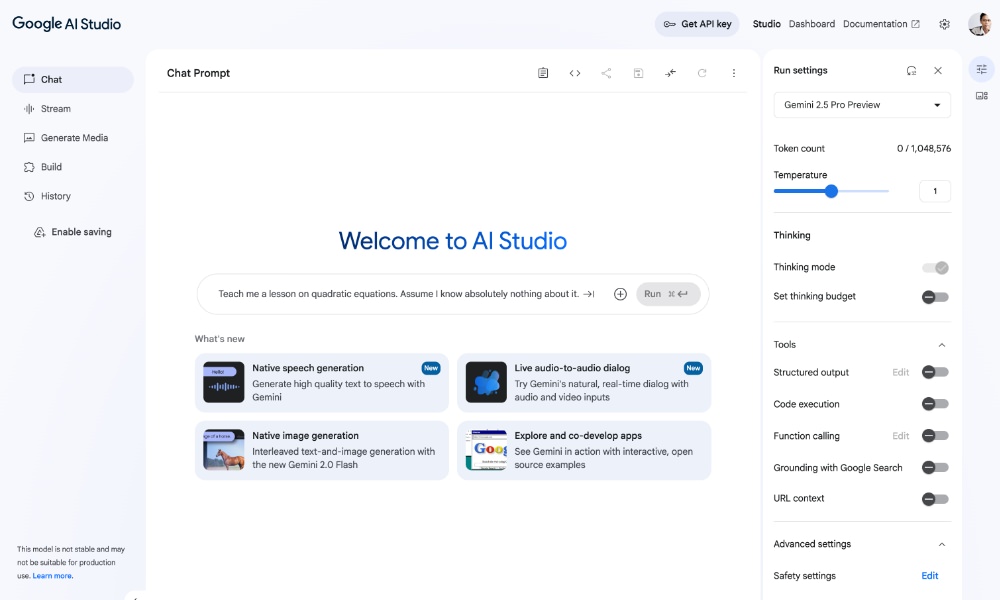
Google AI Studio is a free tool that lets you prototype and test AI features using Gemini, Google’s latest AI model. It supports text, images, video, and code.
It also connects with Google Cloud tools so you can fine‑tune models and launch your own AI apps with minimal setup.
Key takeaway: DevOps Exercise offers a predictable playbook instead of ad-hoc scripts.
DevOps Exercise
DevOps Exercise is a massive collection of 2600+ questions and challenges covering everything from Linux, Docker, and Kubernetes to AWS, Terraform, and CI/CD. It includes hands-on scenarios, project ideas, and practical exercises to help you ship a strong DevOps foundation. Perfect for DevOps interview prep or leveling up your real-world skills.
Key takeaway: Tailwind Animate simplifies handoffs—ideal when multiple projects compete for attention.
Tailwind Animate
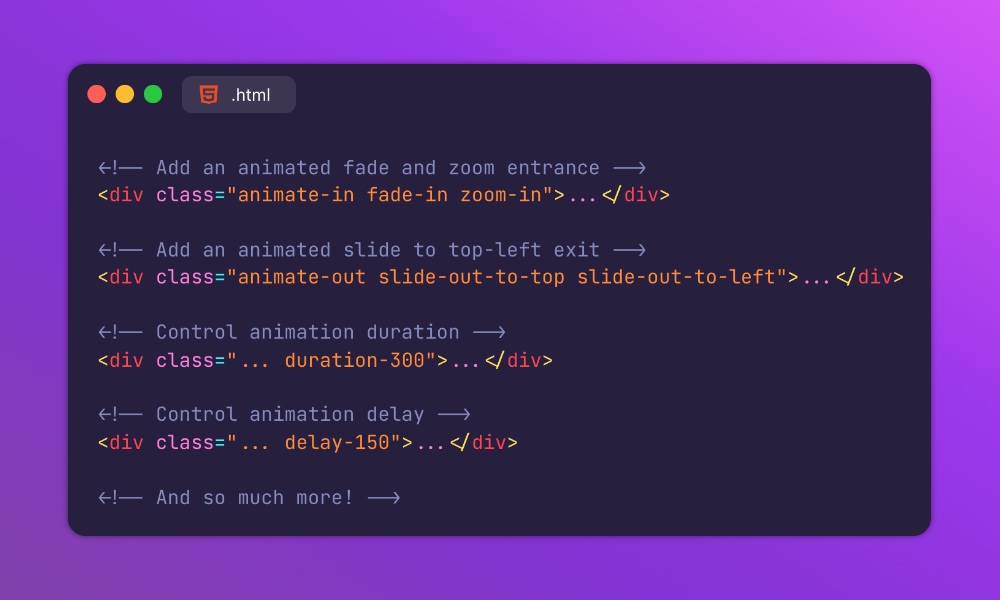
tailwind-animate is a contemporary Tailwind CSS plugin for smooth, utility-based animations built for Tailwind v4.0. It provides a CSS-first architecture by including a CSS file with custom utilities for animations as we will as some composable utility classes for duration, delay, and more. A handy library if you want to add animations to your Tailwind projects without writing custom CSS.
Key takeaway: JSON Schema to TypeScript reduces context-switching and lets teams ship faster.
JSON Schema to TypeScript
json-schema-to-typescript is a utility that allows you to convert JSON Schema to TypeScript types. It also supports YAML input, beside JSON, it can smartly handle references, and gives you polished, customizable .d.ts output. A handy utility for keeping your TypeScript projects type-safe and in sync with your JSON data.
Key takeaway: TailwindCSS for React Aria Components offers a predictable playbook instead of ad-hoc scripts.
TailwindCSS for React Aria Components
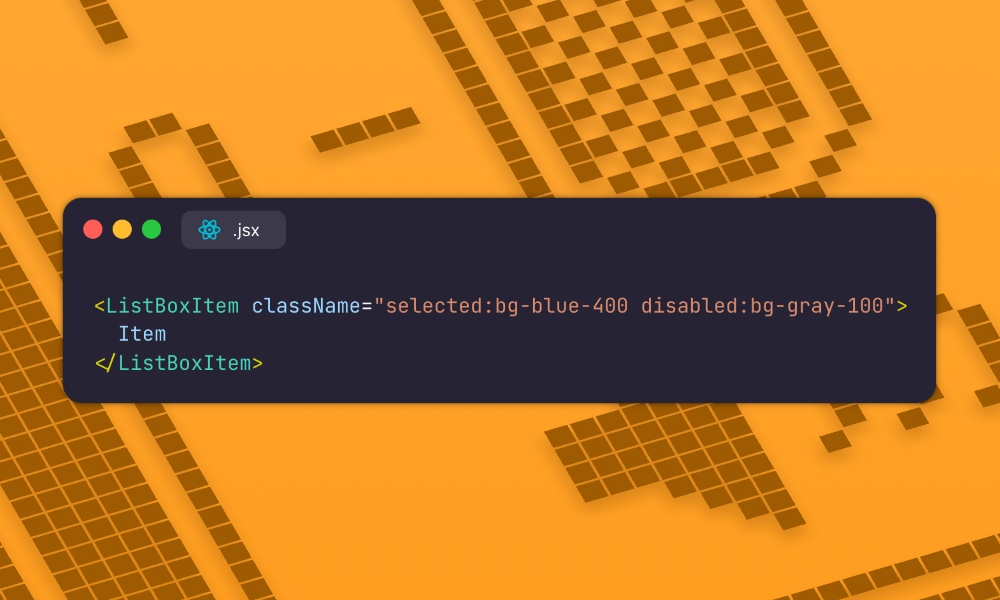
tailwindcss-react-aria-components is a Tailwind CSS plugin that makes it easier to style React Aria components. It gives you shorter class names for states like selected or disabled, so you don’t have to write long data selectors. It also adds autocomplete support in editors, making styling faster and more convenient. It works with both Tailwind v3 and v4 and helps keep your code polished while following accessibility best practices.
Key takeaway: What’s new in Web UI simplifies handoffs—ideal when multiple projects compete for attention.
What’s new in Web UI
Google has announced some new features that are coming to the browser. These new features will allow you to ship stunning, responsive experiences with just a few lines of code. you can in minutes finally remove thousands of lines of JavaScript as you can in minutes achieve the same results with with just a few lines of polished, declarative HTML and CSS. Check out the video to learn more about these new features.