This November collection is packed with everyday helpers for designers, developers, and DevOps teams.
You’ll find command-line tools, observability dashboards, UI frameworks, and low-code website builders that remove repetitive work from your day-to-day tasks.
The goal is simple: help you debug faster, keep projects organized, and spend more time designing and shipping real features.
Key takeaway: JD makes JSON and YAML diffs easier to read.
JD
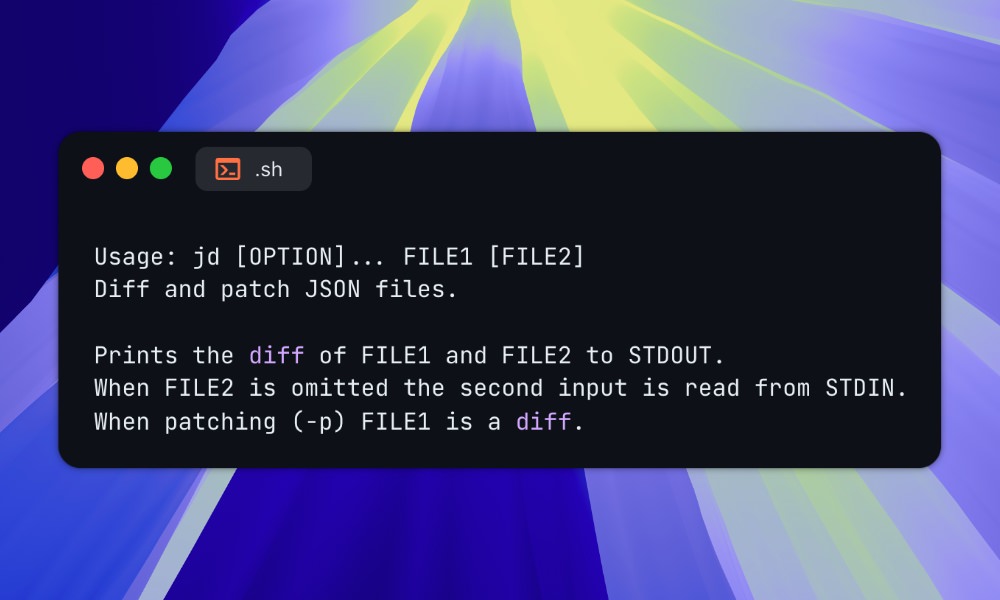
JD is a CLI utility for structural JSON diffs. Instead of showing line-by-line text changes, it focuses on the actual data structure so you can see what really changed between two JSON documents.
It also works well with Kubernetes YAML, lets you ignore noisy fields, and can generate reusable patches. It’s a great fit for anyone comparing config files, API responses, or deployment manifests all day.
Key takeaway: Liam turns your database schema into a clear visual map.
Liam
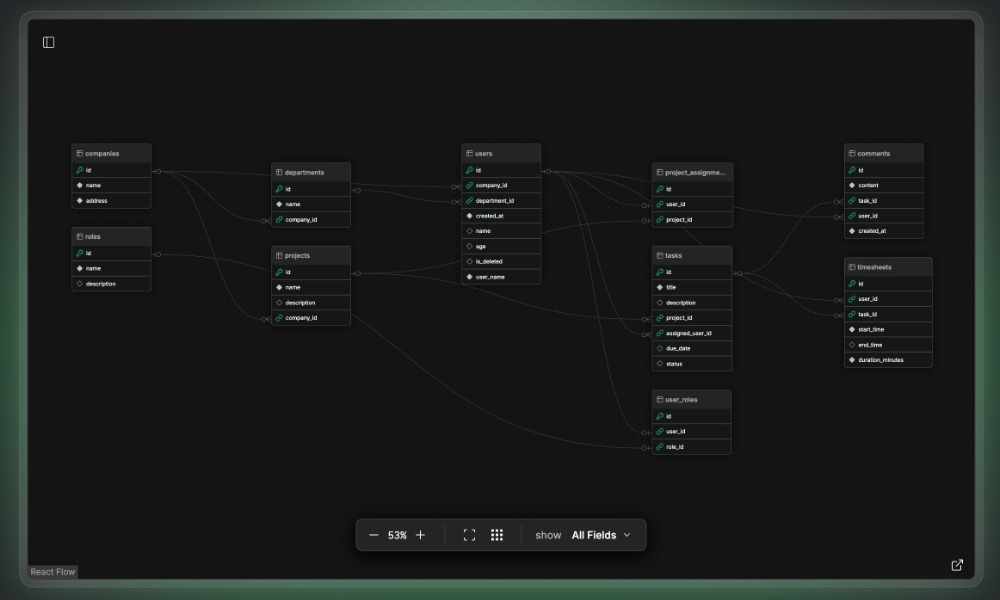
Liam is an open-source tool that instantly turns your database schema into polished, interactive Entity Relationship (ER) diagrams. It handles large schemas smoothly, works with public or private repos, and gives you a clean view of tables and relationships with almost no setup.
It’s especially helpful for onboarding new developers, documenting legacy databases, or planning schema changes before they hit production.
Key takeaway: Toon shrinks JSON payloads for LLM prompts.
Toon
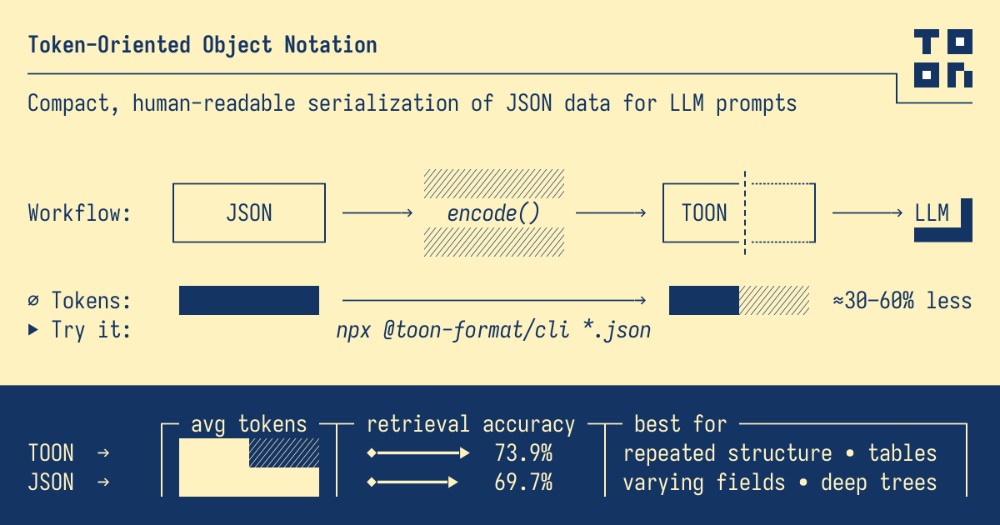
Toon is a compact, human-readable alternative to JSON designed to use far fewer tokens in LLM prompts. It removes punctuation and repeated keys, using an indentation-based, table-like format that can cut token usage by 30–60%.
If you’re sending big JSON blobs to AI models and want to trim token costs without losing clarity, Toon is well worth a look.
Key takeaway: Vfox keeps multiple runtimes organized on one machine.
Vfox
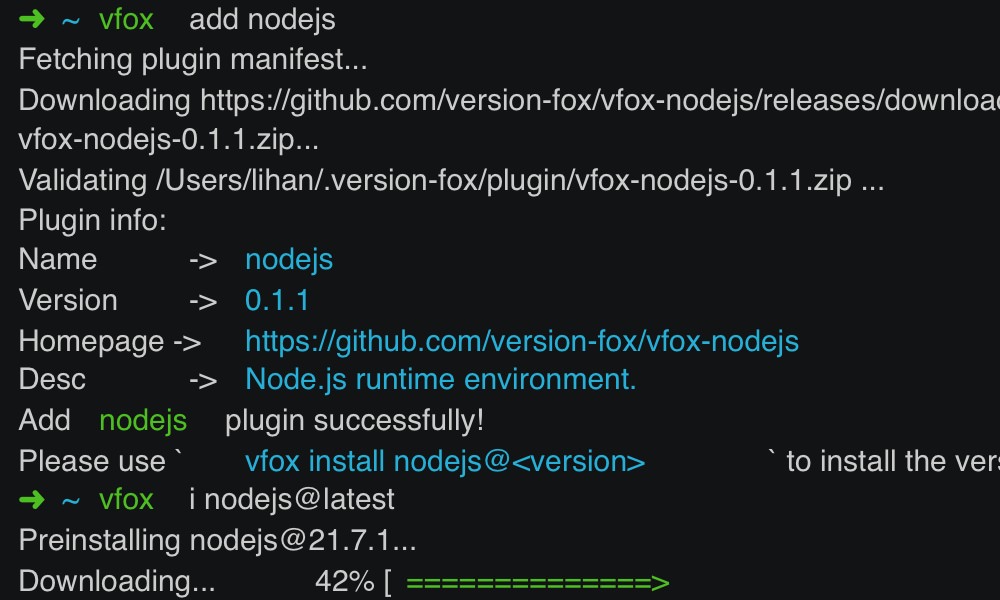
vfox is a fast, cross-platform version manager that lets you install and switch between multiple language and SDK versions from one CLI. It supports Java, Node.js, Go, Python, Flutter, and more.
If you bounce between projects that all require slightly different runtimes, Vfox gives you a single, lightweight way to keep them under control.
Key takeaway: Sttr makes everyday string transformations painless.
Sttr
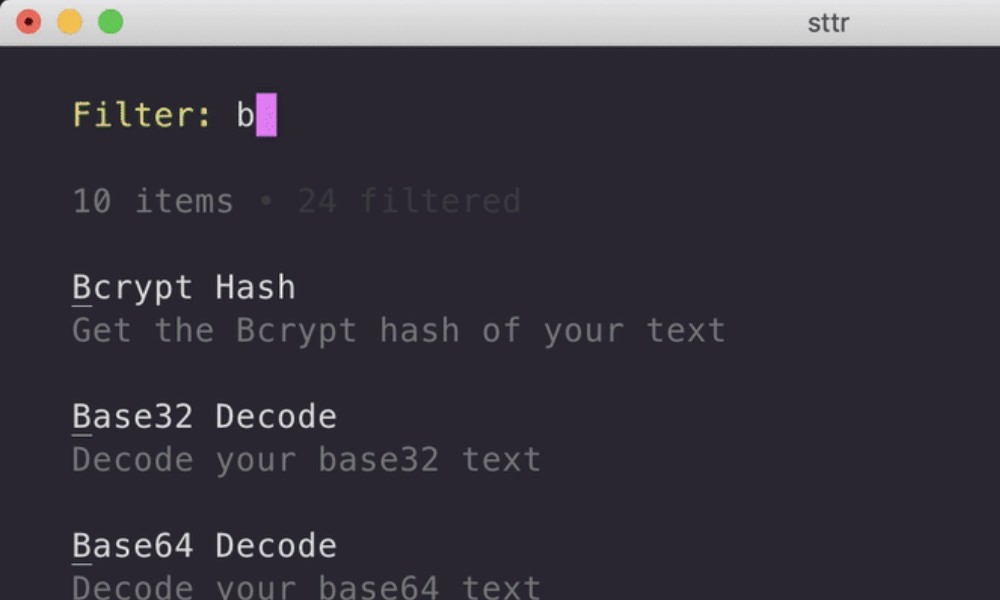
sttr is a lightweight, cross-platform CLI utility for quick string transformations: encoding, decoding, hashing, case changes, and more. You pipe text in, choose an operation, and see the result instantly.
It’s ideal for developers who constantly tweak tokens, headers, and small bits of data while working with APIs, logs, or configuration files.
Key takeaway: Valdi keeps your pipeline repeatable, which cuts regressions.
Valdi
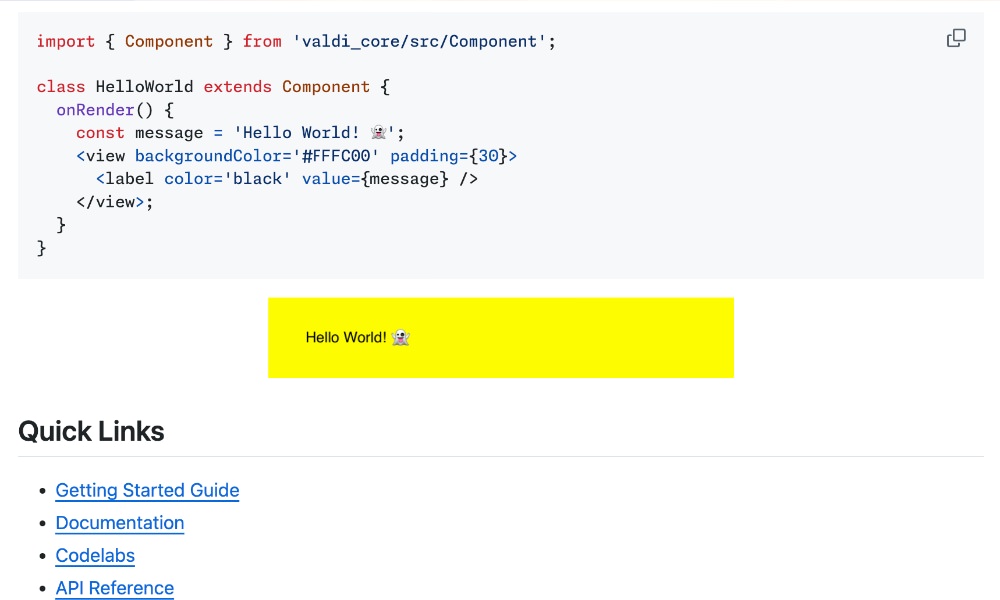
Valdi is Snapchat’s open-source UI framework that allows you to ship native iOS, Android, and macOS apps using declarative TypeScript. It compiles directly to real native views, supports quick animations, uses a high-performance C++ layout engine, and delivers instant hot reloads with full VSCode debugging.
Snap has been using it in production for years, and it is ideal for engineers who want native performance with a quick, contemporary pipeline.
Key takeaway: Below trims setup time so you focus on results, not plumbing.
Below
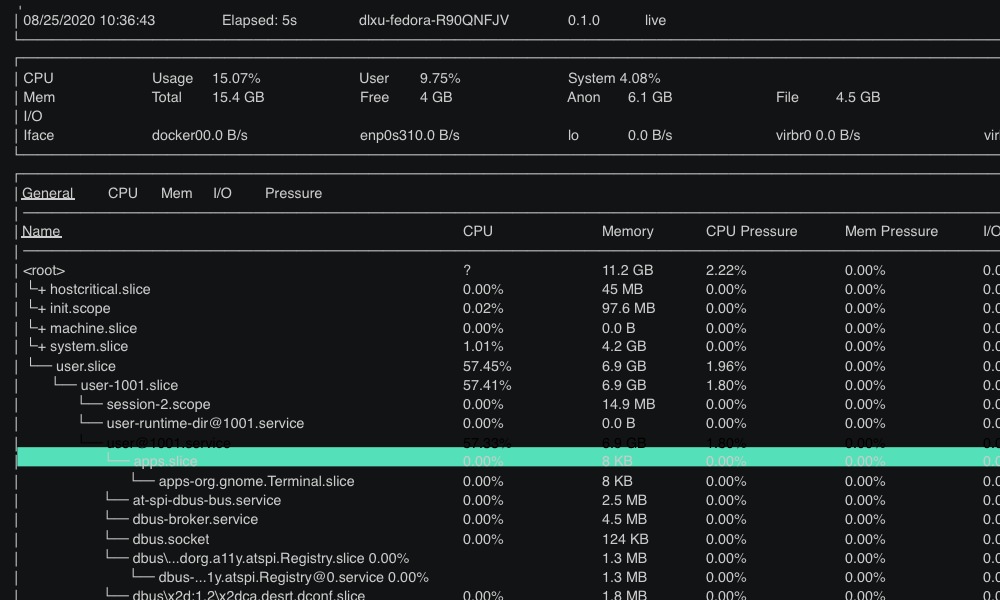
Below is Meta’s contemporary take on Linux system monitoring. It is a quick, interactive utility that allows you to “time-travel” through system performance.
It shows live and historical data for CPU, memory, cgroups, PSI, processes, and more, with modes for live viewing, recording, replaying, and exporting data in JSON/CSV. It is the perfect utility if you want deep, flexible insight into what your Linux machine has been doing over time.
Key takeaway: Pipet offers a predictable playbook instead of ad-hoc scripts.
Pipet
Pipet is a lightweight, hacker-friendly CLI utility for web scraping. It can parse HTML or JSON, or run JavaScript with Playwright, then pipe the results into whatever tool or script you prefer.
It also supports page monitoring, change alerts, and pagination handling. It’s ideal for scraping the web to track tickets, shipments, stock updates, and other changing data without heavy tooling.

Key takeaway: Tianji reduces context-switching and lets teams ship faster.
Tianji
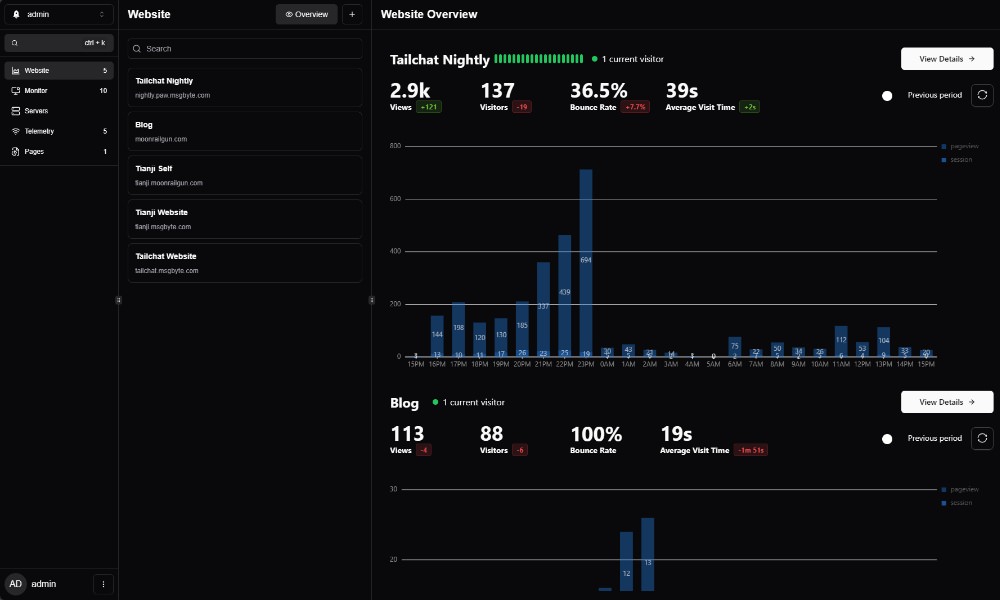
Tianji is an open-source, lightweight monitoring utility that combines website analytics, uptime checks, and server stats in one place. It is privacy-friendly and frictionless to self-host with Docker. It is a solid choice if you want a straightforward, all-in-one monitoring solution without relying on third-party services.
Key takeaway: WordOps simplifies handoffs—ideal when multiple projects compete for attention.
WordOps
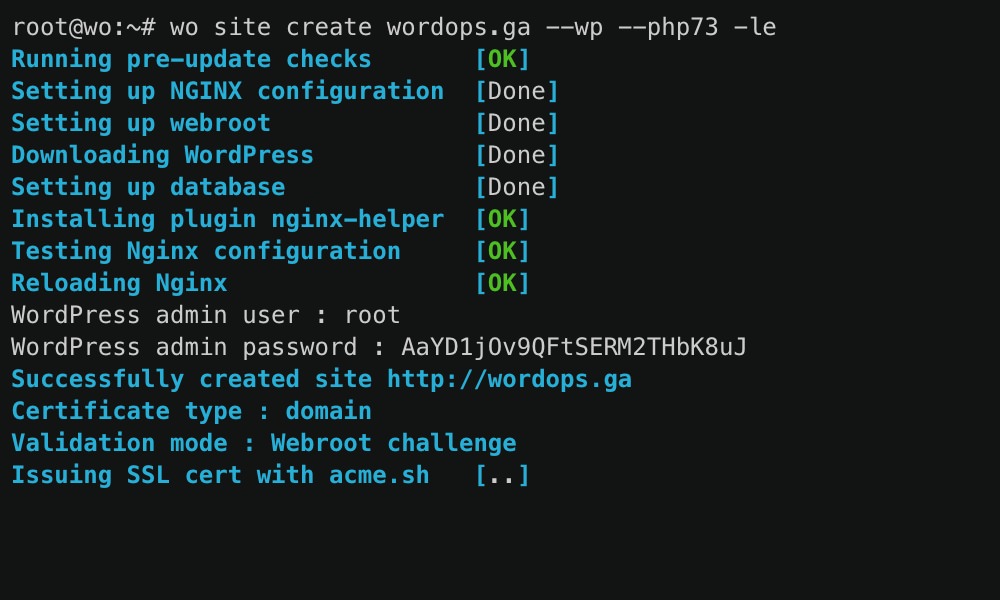
WordOps is a CLI utility that streamlines deploy and orchestrate WordPress sites on your own server. It sets up a Nginx configuration, PHP, and database stack, handles SSL automatically, and includes caching and monitoring out of the box.
It is a solid choice if you need a quick, production-ready WordPress setup without manual server work.
Key takeaway: Dockform keeps your pipeline repeatable, which cuts regressions.
Dockform
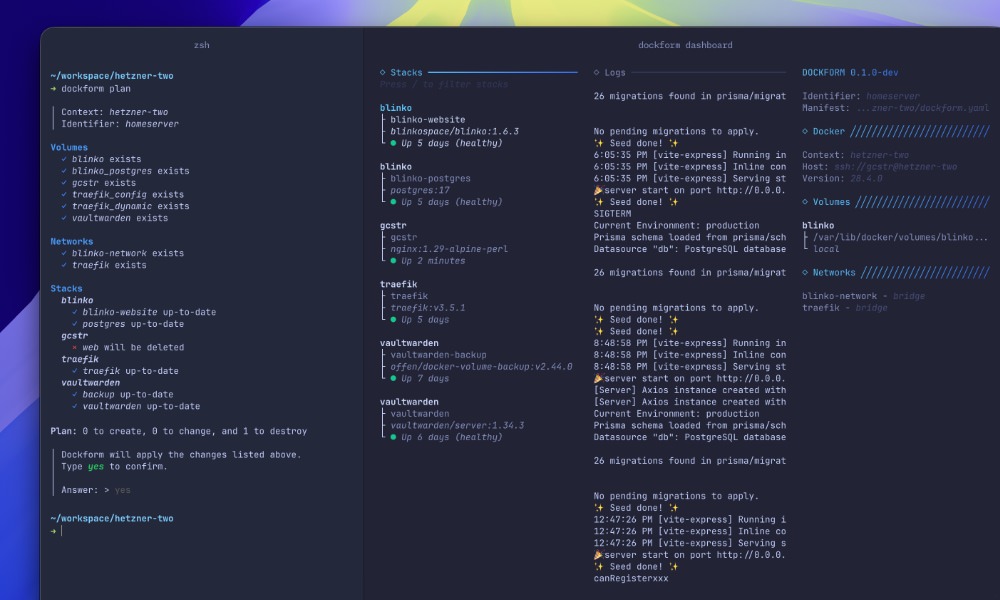
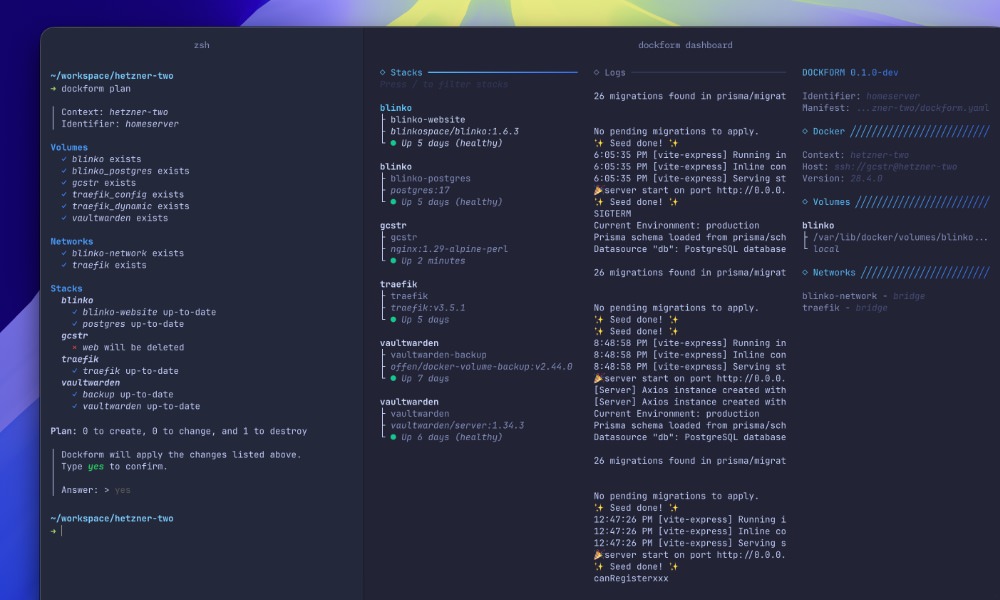
Dockform is a lightweight utility that adds a straightforward, declarative layer on top of Docker Compose. With a single file, you can orchestrate volumes, networks, secrets, and configs without messy scripts or long shell commands.
It’s a great fit for homelabs and small servers that don’t need full Kubernetes-style orchestration but still want polished, Git-friendly Infrastructure-as-Code.
Key takeaway: Notifuse trims setup time so you focus on results, not plumbing.
Notifuse
Notifuse is an open-source, self-hosted email and notification platform that allows you to send newsletters and transactional emails without relying on services like Mailchimp. It includes a drag-and-drop email builder, and works with your own email provider. It is a good alternative if you want full control, low cost, and no vendor lock-in.

Key takeaway: Killport offers a predictable playbook instead of ad-hoc scripts.
Killport
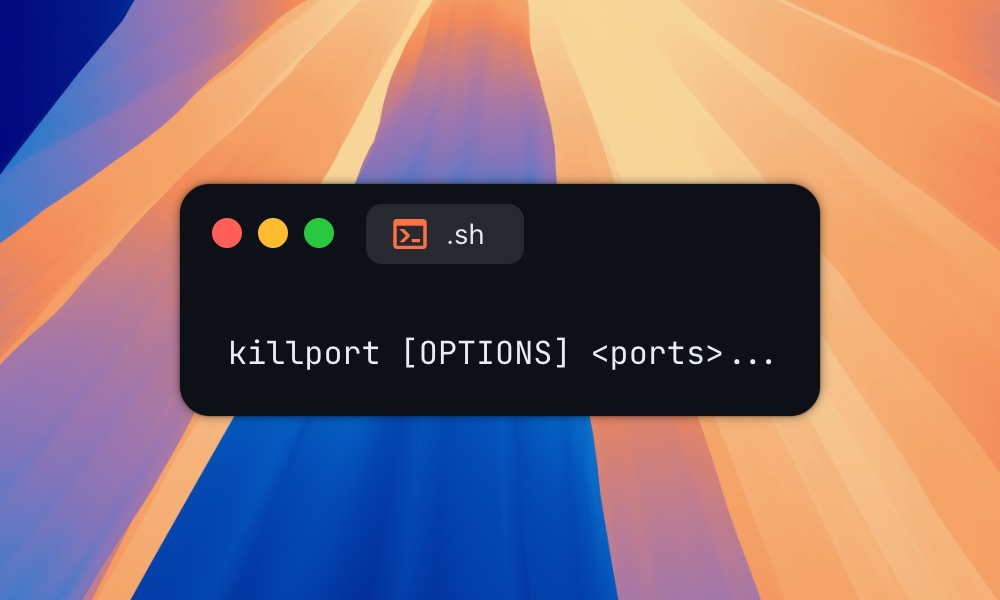
Killport is a quick, cross-platform CLI utility that instantly frees ports by killing the processes or containers using them. It supports multiple ports, dry-run previews, custom signals, and works on Linux, macOS, and Windows.
It is a handy utility if you need to clear stuck ports in minutes.
Key takeaway: System.css trims setup time so you focus on results, not plumbing.
System.css
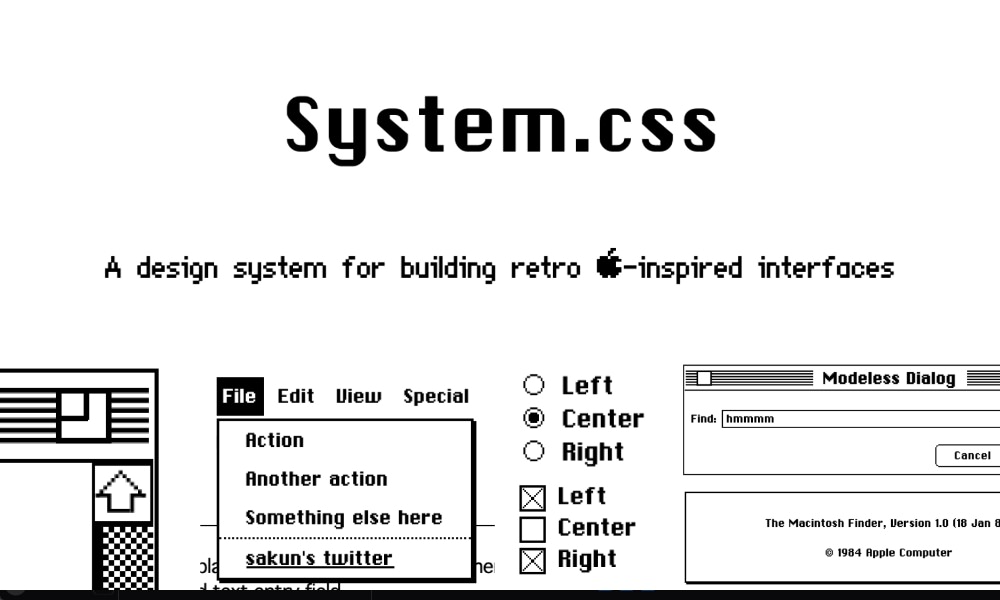
System.css is a pure CSS library that allows you to ship retro Apple OS-style interfaces without any JavaScript. It includes classic UI elements like windows, buttons, and text fields, works with any framework, and can be added via CDN or npm. Great for nostalgic or vintage-themed projects.
Key takeaway: HappyDeliver offers a predictable playbook instead of ad-hoc scripts.
HappyDeliver
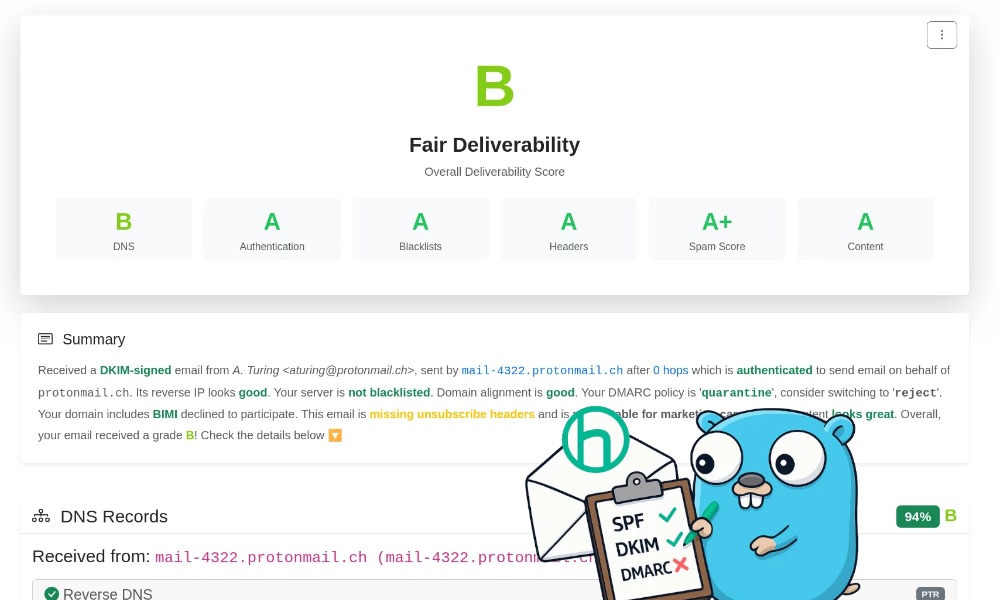
HappyDeliver is a self-hosted, open-source alternative to mail-tester.com that helps you quickly check and improve your email deliverability. Send a test email to your HappyDeliver instance and it runs authentication checks (SPF, DKIM, DMARC, ARC) plus spam filters like SpamAssassin, then gives you a clear score from A+ to F.
It’s ideal for anyone running their own mail server who wants reliable deliverability testing without handing data to third-party services.
Key takeaway: GPUI Component simplifies handoffs—ideal when multiple projects compete for attention.
GPUI Component
GPUI Component is a Rust UI library offering 60+ fast, GPU-powered components for building modern cross-platform desktop apps. It includes everything from buttons and tables to charts, virtual lists, and a Tree-Sitter-powered code editor.
It’s themeable, lightweight, and designed for high performance — a solid option if you build in Rust and want a polished, flexible UI toolkit for your desktop apps.

Key takeaway: Frappe Builder offers a predictable playbook instead of ad-hoc scripts.
Frappe Builder
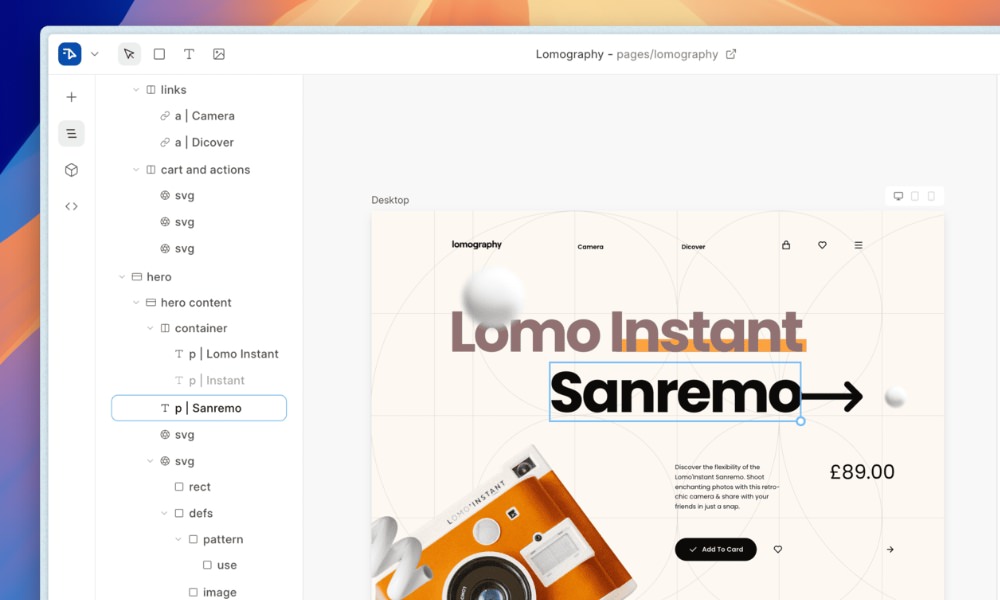
Frappe Builder is an open-source, low-code website builder that works like a Figma-style drag-and-drop editor. It supports dynamic data from Frappe ecosystem, custom scripts, responsive layouts, and one-click publishing. Great option for anyone who wants to ship polished, contemporary sites without heavy coding.
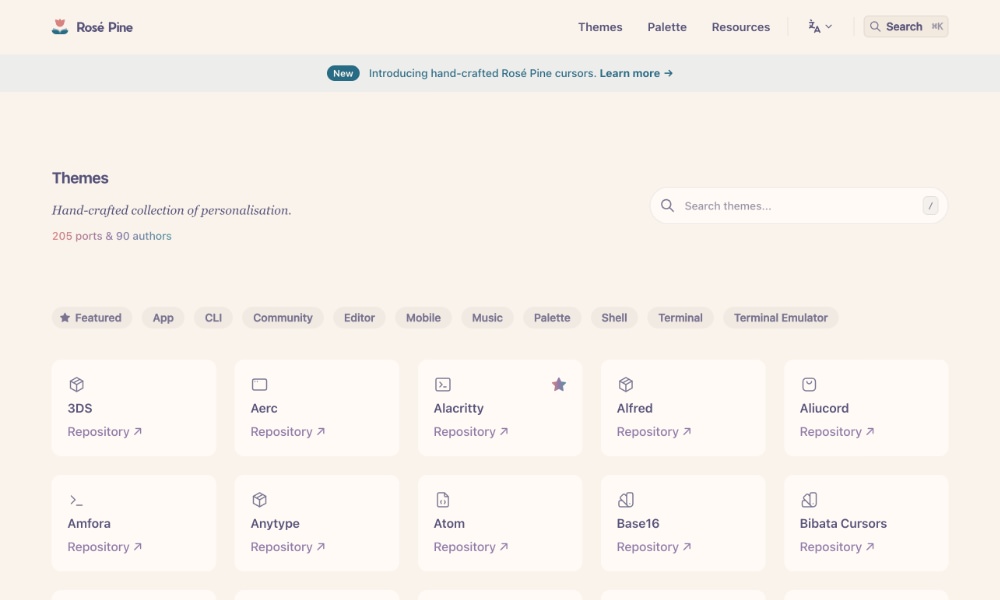
Key takeaway: Rose Pine Theme simplifies handoffs—ideal when multiple projects compete for attention.
Rose Pine Theme
Rosé Pine is a soft, minimalist color theme with gentle, eye-friendly palettes available across editors like Neovim, VS Code, and Typst. It comes in light and dark variants, is highly customizable, and is loved by engineers who want a calm, elegant look for their coding environment—and even full desktop theming.
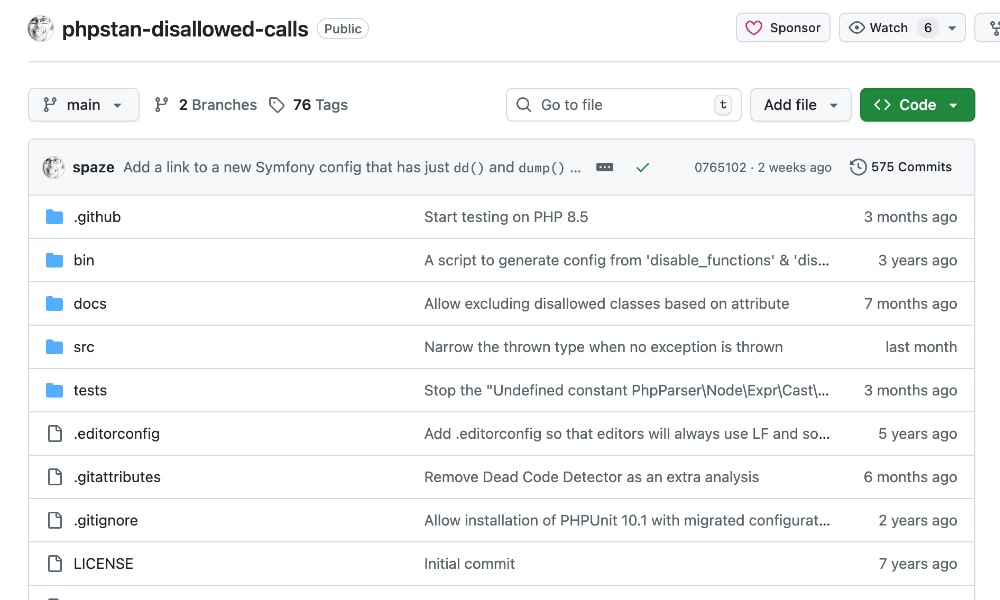
Key takeaway: PHPStan Disallowed Calls offers a predictable playbook instead of ad-hoc scripts.
PHPStan Disallowed Calls
phpstan-disallowed-calls is a PHPStan extension that blocks unwanted or unsafe PHP functions, methods, constants, and superglobals. It helps teams enforce polished, secure coding practices by flagging things like var_dump() or risky functions before they reach production. It is a straightforward and effective extension for keeping your codebase tidy.
Key takeaway: Nanobanana for Gemini CLI trims setup time so you focus on results, not plumbing.
Nanobanana for Gemini CLI
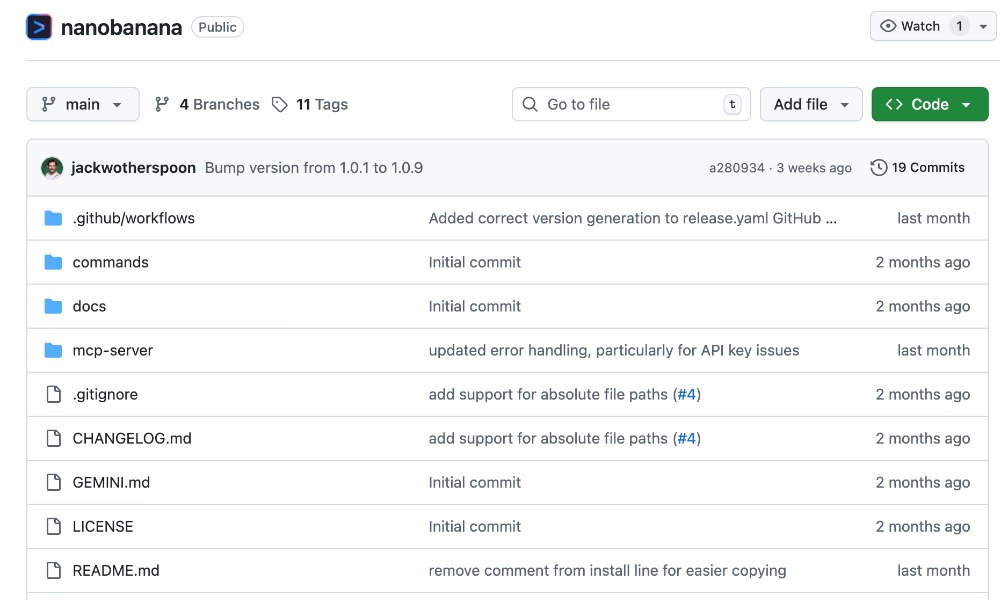
NanoBanana for Gemini CLI lets you generate and edit images straight from the terminal using the Gemini 2.5 Flash Image model. You can quickly craft images from text, transform existing ones, and produce icons, patterns, and diagrams with simple commands.
It plugs into the Gemini CLI and only needs an AI Studio API key, making it a handy way to add scriptable AI image generation to your development workflow.