We’re back with another set of fresh tools for engineers and design teams.
This month’s collection mixes AI-powered utilities, UI kits, clever WordPress projects, and focused terminal apps. Whether you’re trying to boost productivity, simplify your workflow, or just explore new ideas, there’s plenty here to test-drive.
Grab a coffee, skim the list, and add the tools that fit your current projects.
Key takeaway: VHS keeps your pipeline repeatable, which cuts regressions.
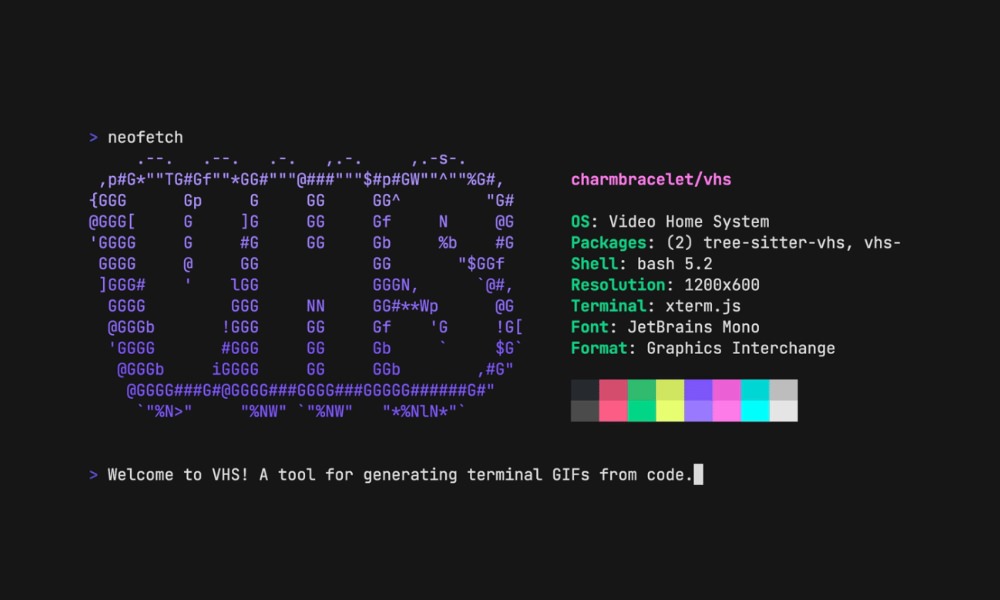
VHS
VHS is a CLI utility for turning your terminal sessions into slick GIFs or videos. You write a “tape” file that describes your commands and keystrokes, and VHS renders it into shareable demos (GIF, MP4, etc.). Perfect for showing off your CLI utilities without messy screen recordings.
Key takeaway: Motia keeps your pipeline repeatable, which cuts regressions.
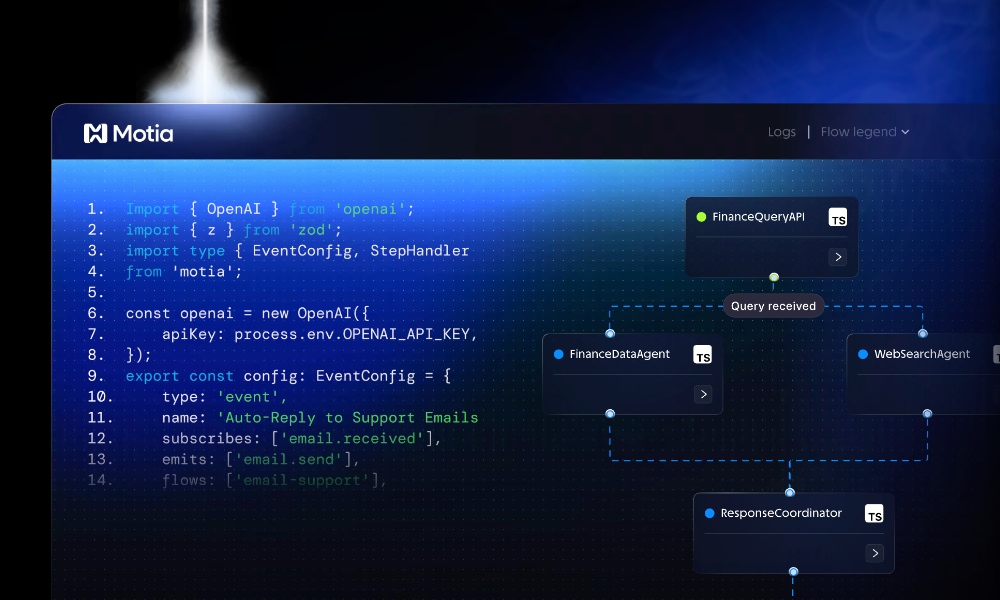
Motia
Motia.dev is a backend framework that unifies APIs, jobs, workflows, events, and AI agents. It supports multiple languages including JavaScript, TypeScript, and Python, requires no setup, and comes with built-in utilities for debugging and monitoring.
Key takeaway: Micro keeps your pipeline repeatable, which cuts regressions.
Micro
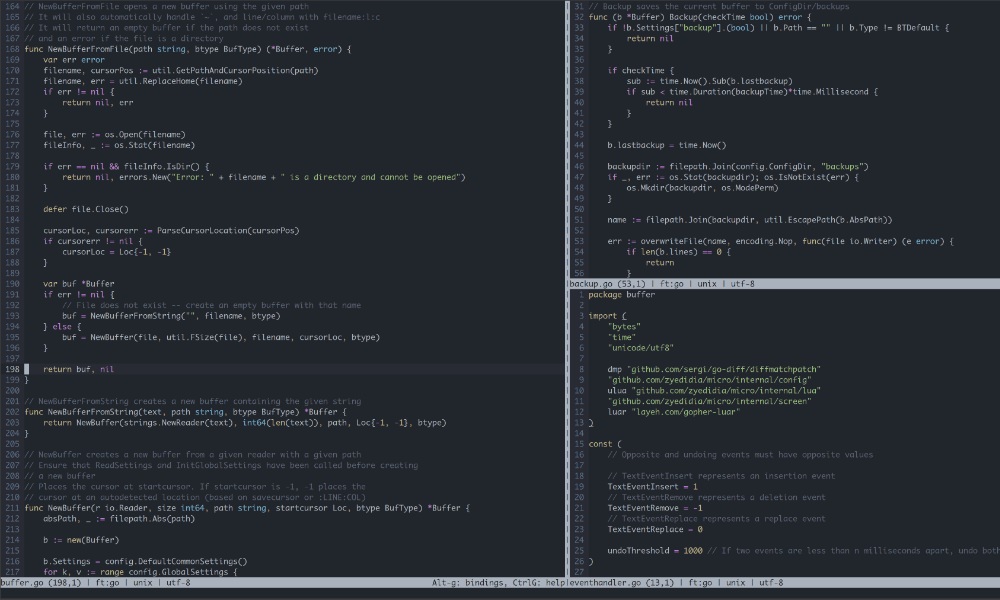
Micro is a lightweight, user-friendly terminal text editor designed as a contemporary successor to nano. It is a single binary with no dependencies, offering syntax highlighting for 130+ languages, multiple cursors, mouse support, splits, tabs, clipboard integration, and Lua plugins. a solid choice for devs looking for a straightforward yet capable terminal editor.
Key takeaway: Telex offers a predictable playbook instead of ad-hoc scripts.
Telex
Telex is a new experimental AI utility from Automattic that allows you to “vibe code” Gutenberg blocks for WordPress. Just type what you want – like a block with text, images, or columns – and Telex will generate a ready-to-install zip file that you can in minutes drop into your site or test in WordPress Playground. First demoed at WordCamp US 2025 by Matt Mullenweg, It is still early days, but it could produce block development way more accessible.

Key takeaway: Ghunt simplifies handoffs—ideal when multiple projects compete for attention.
Ghunt
GHunt is an Open Source Intelligence (OSINT) utility that collects publicly available data from Google accounts using a Gmail address, revealing linked services like YouTube, Maps, Drive, and more. It runs locally, exports results to JSON, and is widely used by investigators and security researchers.

Key takeaway: Obs.js offers a predictable playbook instead of ad-hoc scripts.
Obs.js
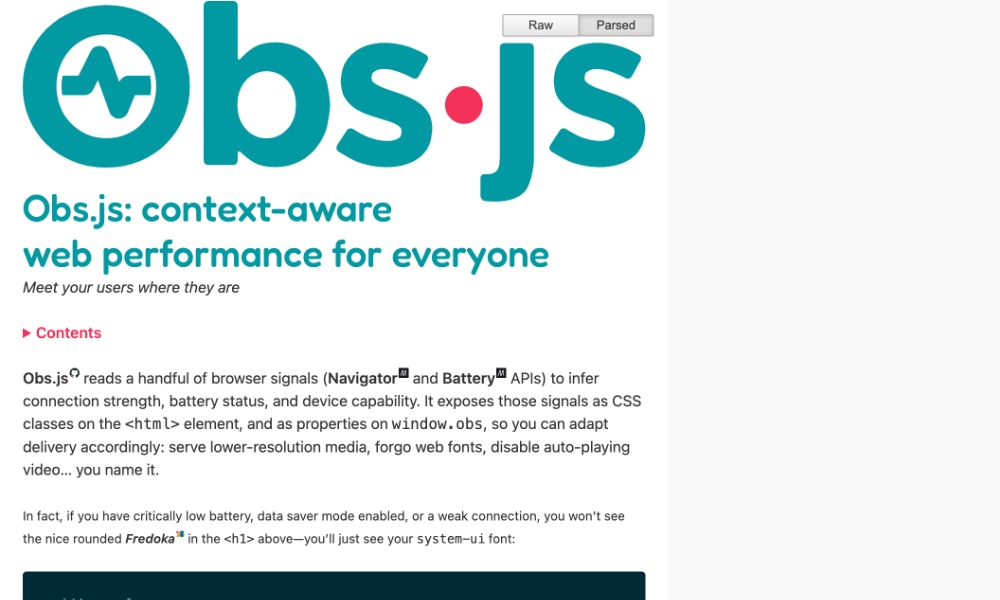
Obs.js is a JavaScript library that improves web performance by detecting a user’s device, network, and battery status through browser APIs, then adapting the site or app to optimize speed and resource usage. If you’re building a web app that needs to run we will on a variety of devices and conditions, Obs.js can help you deliver a better user experience.
Key takeaway: LlamaFS trims setup time so you focus on results, not plumbing.
LlamaFS
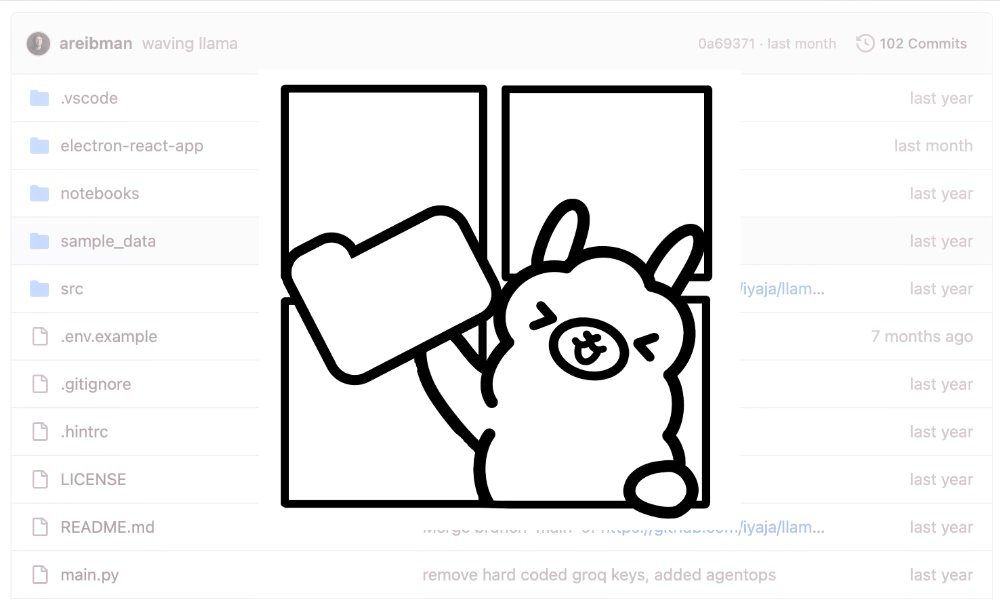
LlamaFS is an open-source AI file manager that uses Llama 3 to automatically analyze, rename, and organize files by content. It is a very helpful utility for managing your messy folders.
Key takeaway: Omarchy simplifies handoffs—ideal when multiple projects compete for attention.
Omarchy
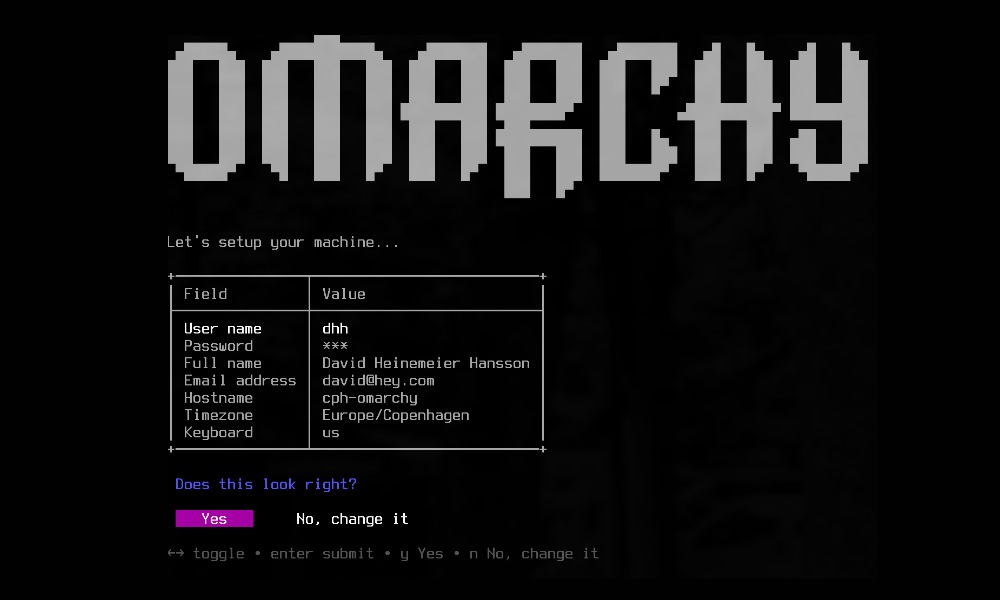
Omarchy from DHH is an Arch-based Linux distro with the Hyprland window manager. It provides a preconfigured, polished system for engineers with popular apps like Neovim, Spotify, and Chromium, full-disk encryption, and a productivity-focused UI.
Key takeaway: WP Docs MD offers a predictable playbook instead of ad-hoc scripts.
WP Docs MD
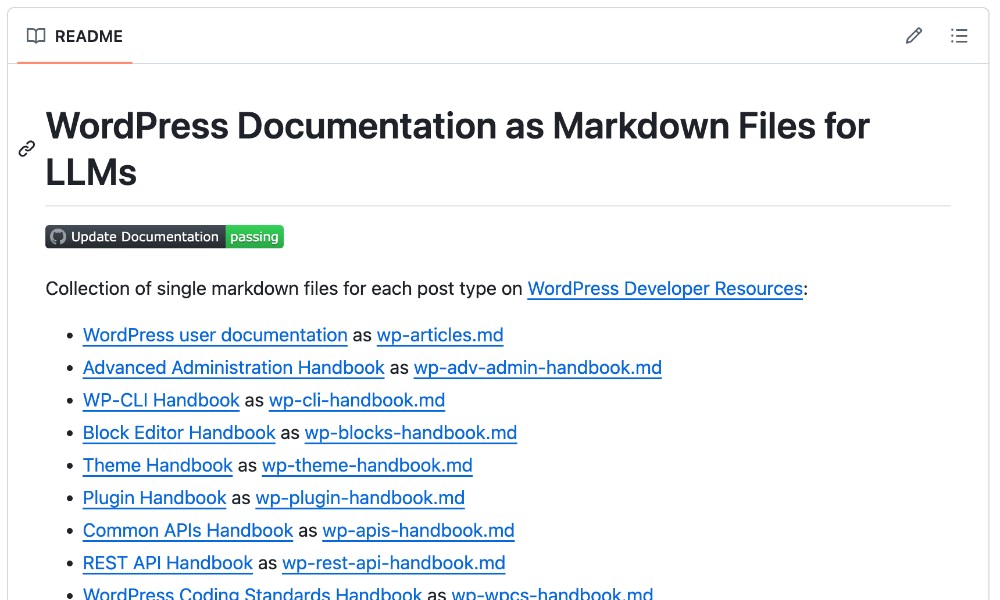
WP Docs MD, built by Kaspars Dambis, turns WordPress docs into Markdown, pulled straight from the REST API with custom PHP scripts. Handy for offline use, AI prompting, or if you just prefer working in plain text.
Key takeaway: OpenGist offers a predictable playbook instead of ad-hoc scripts.
OpenGist
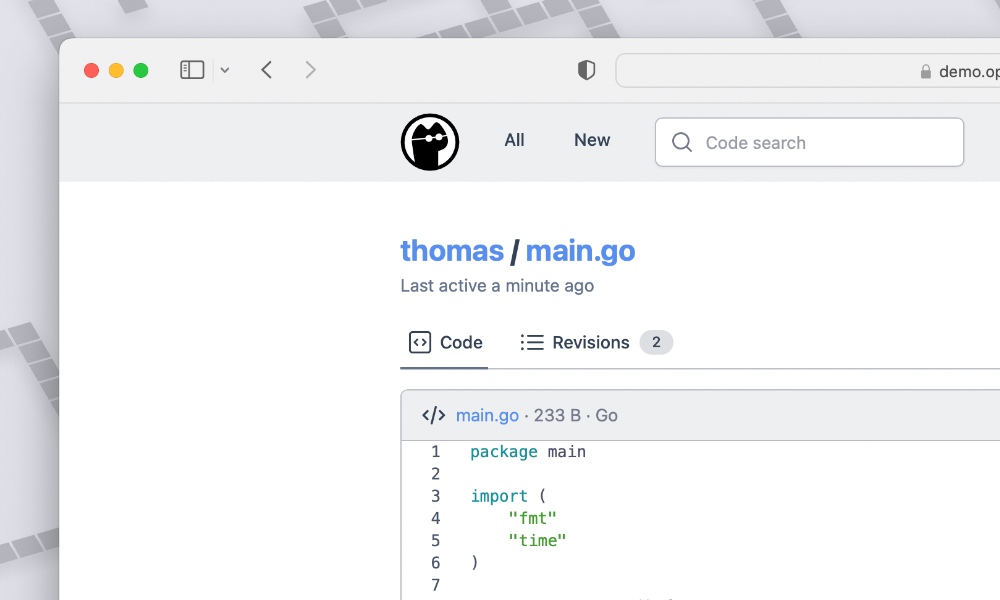
Opengist is a self-hosted, Git-powe ared pastebin that works like GitHub Gist. It supports versioned code snippets, public or private sharing, syntax highlighting, markdown, search, and OAuth2 login. A great application if you’re looking for collaborative snippet management that you can in minutes host yourself.
Key takeaway: PortKill reduces context-switching and lets teams ship faster.
PortKill
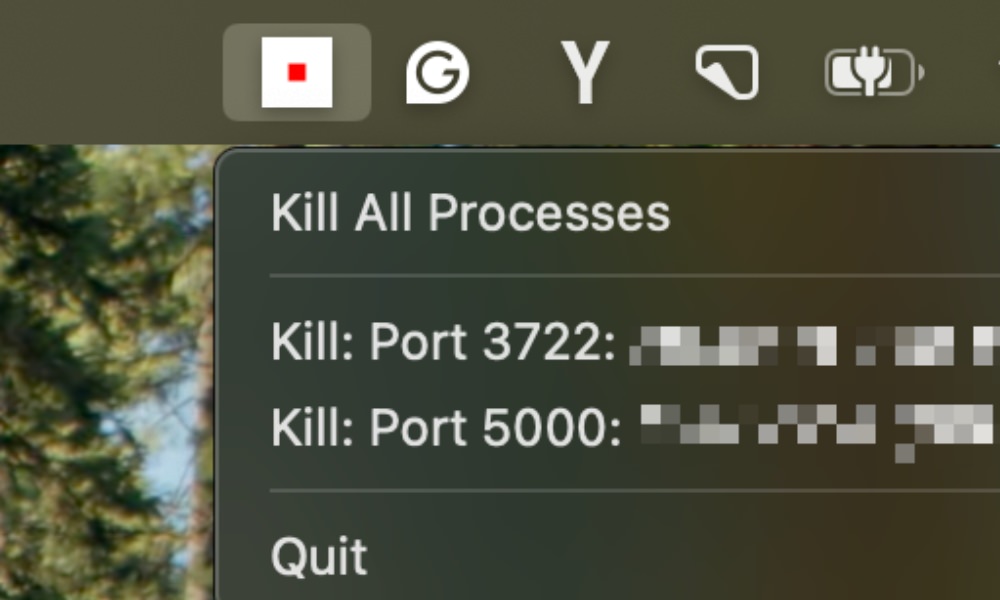
Port Kill is a lightweight macOS status bar app that helps engineers monitor and orchestrate processes running on specific ports. It scans ports every 5 seconds, shows active processes, and allows you to kill them individually or all at once with a click. A very handy utility for freeing up ports in minutes during development.
Key takeaway: Hypr.land trims setup time so you focus on results, not plumbing.
Hypr.land
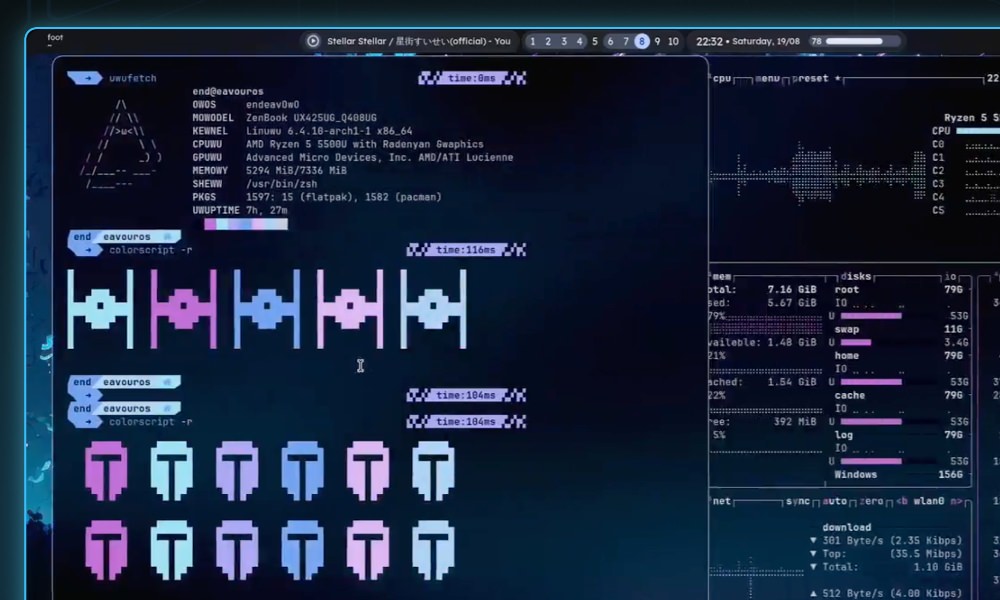
Hyprland is a lightweight, independent Wayland compositor and dynamic tiling window manager written in C++. It offers advanced customization, plugins, and visual effects like animations, blur, and gradient borders, while supporting features such as dynamic workspaces, instant config reloads, and global keybinds.
Key takeaway: Devenv.sh keeps your pipeline repeatable, which cuts regressions.
Devenv.sh
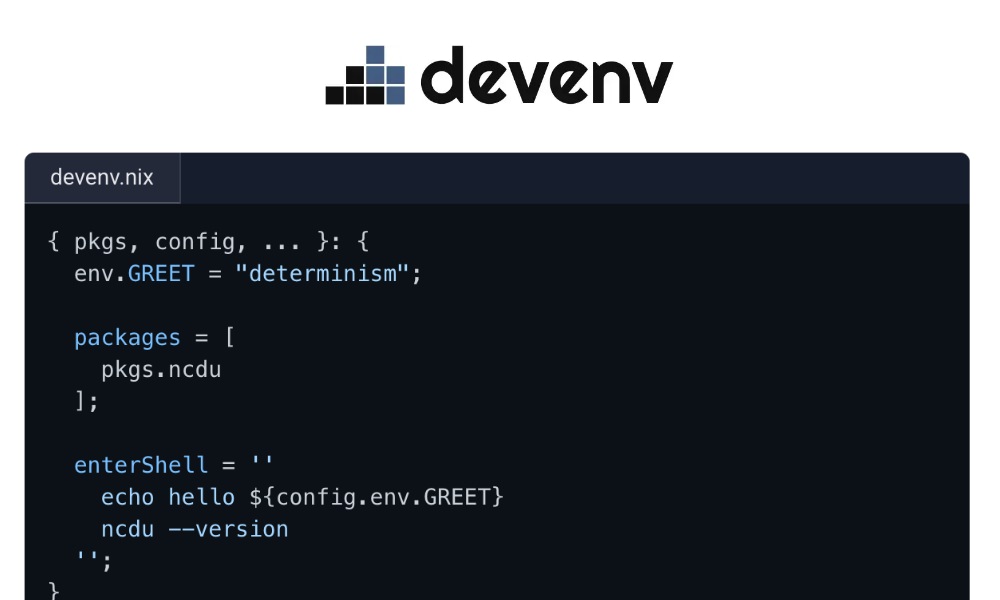
Devenv.sh makes spinning up dev environments painless. You define configurations with Nix in straightforward config files. Just run devenv shell and you’ll get packages, services, git hooks, tests, scripts, and containers – all wired up automatically. It is a great way to standardize and automate your development setups.
Key takeaway: BaseCoatUI simplifies handoffs—ideal when multiple projects compete for attention.
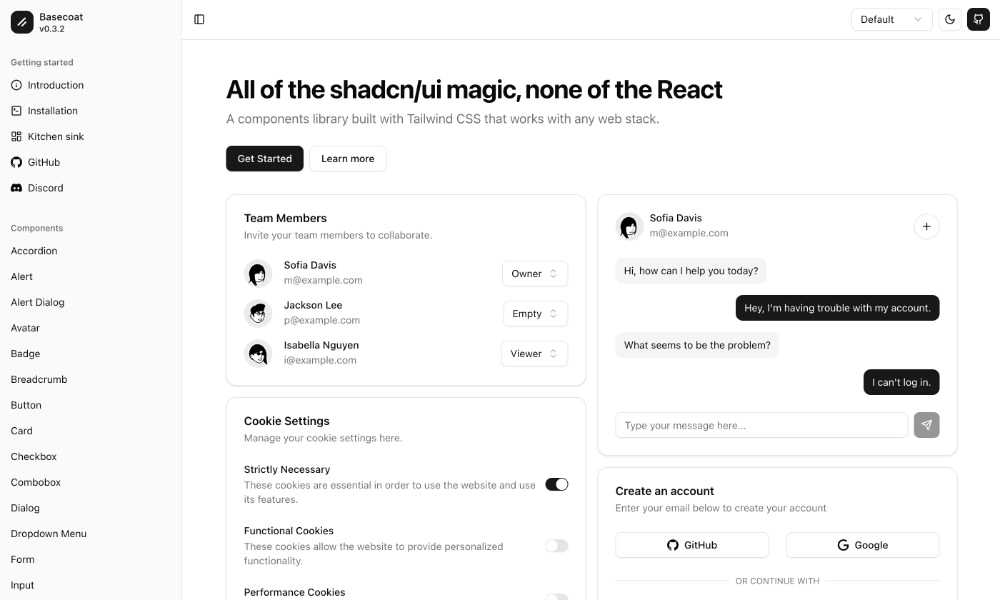
BaseCoatUI
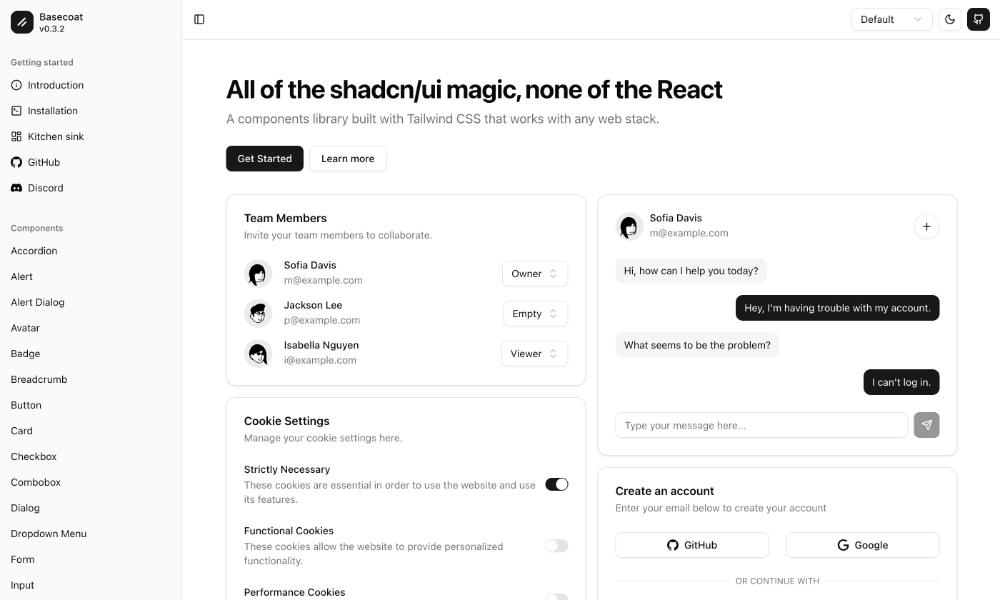
BaseCoatUI is a Tailwind CSS UI library that brings shadcn/ui design to plain HTML, without React.js. It works with any stack, needs little JavaScript, supports dark mode, and offers straightforward, accessible, theme-compatible components.
 Tailwind CSS components” width=”1000″ height=”600″>
Key takeaway: EmailEngine keeps your pipeline repeatable, which cuts regressions.
EmailEngine
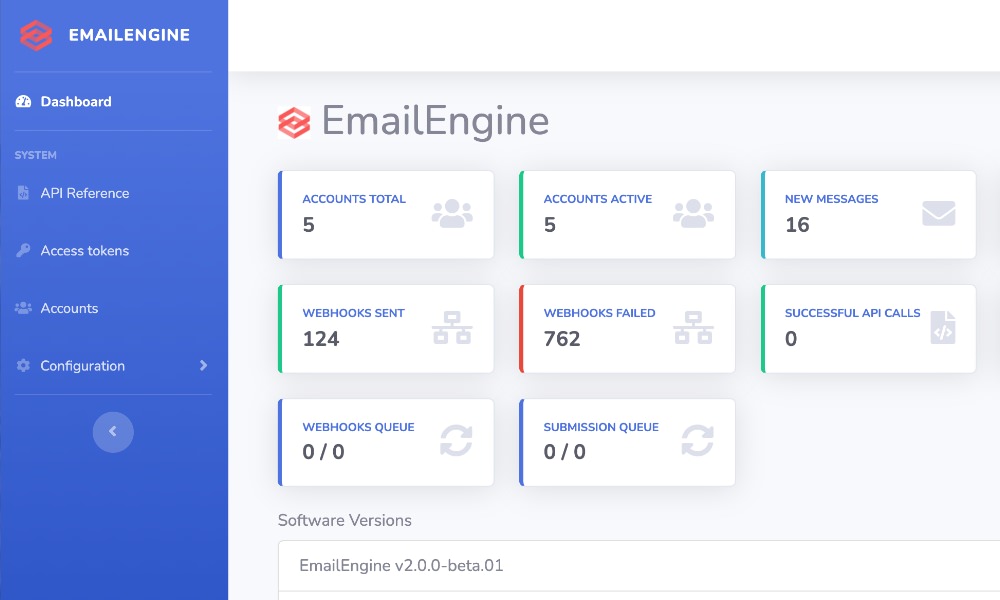
EmailEngine is a headless email client with a unified REST API for IMAP, SMTP, Gmail, and Microsoft Graph. It allows you to sync, send, and monitor emails, integrate accounts, and get real-time notifications via webhooks, without dealing with IMAP or MIME details.
Key takeaway: WordPress RSL trims setup time so you focus on results, not plumbing.
WordPress RSL
Really straightforward Licensing (RSL) is a WordPress plugin that makes your site’s licensing terms machine-readable. It adds clear signals so AI utilities, crawlers, and other automated systems actually know how your content can be used. A handy way to keep licensing of your content straightforward.
Key takeaway: Cohere Toolkit reduces context-switching and lets teams ship faster.
Cohere Toolkit
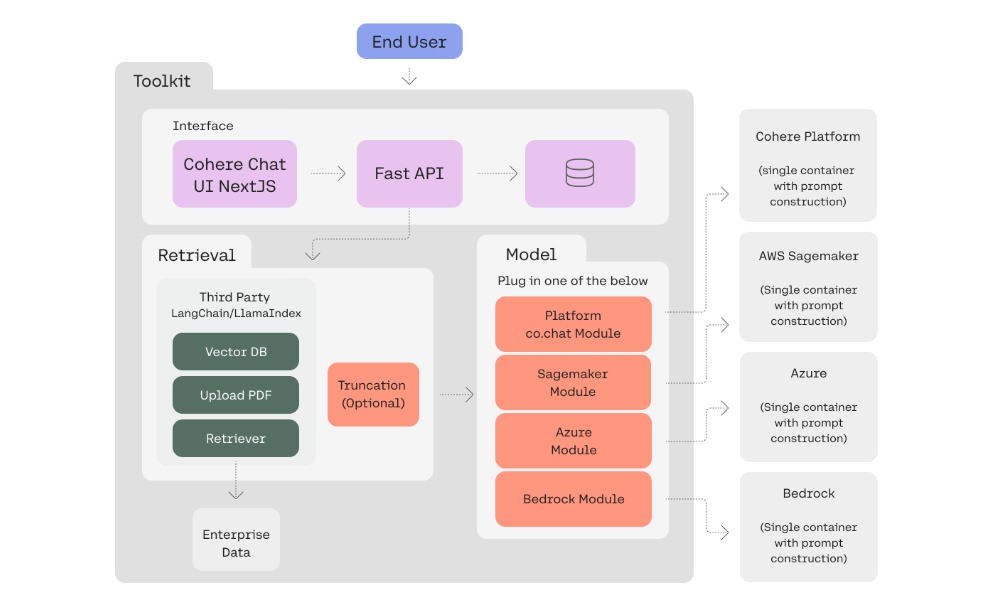
Cohere Toolkit is an open-source kit of pre-built components that makes spinning up RAG apps significantly faster. With this toolkit, you can in minutes reduce development time from months to weeks, or even minutes, getting from idea to deployment in minutes.
Key takeaway: Dockur Windows trims setup time so you focus on results, not plumbing.
Dockur Windows
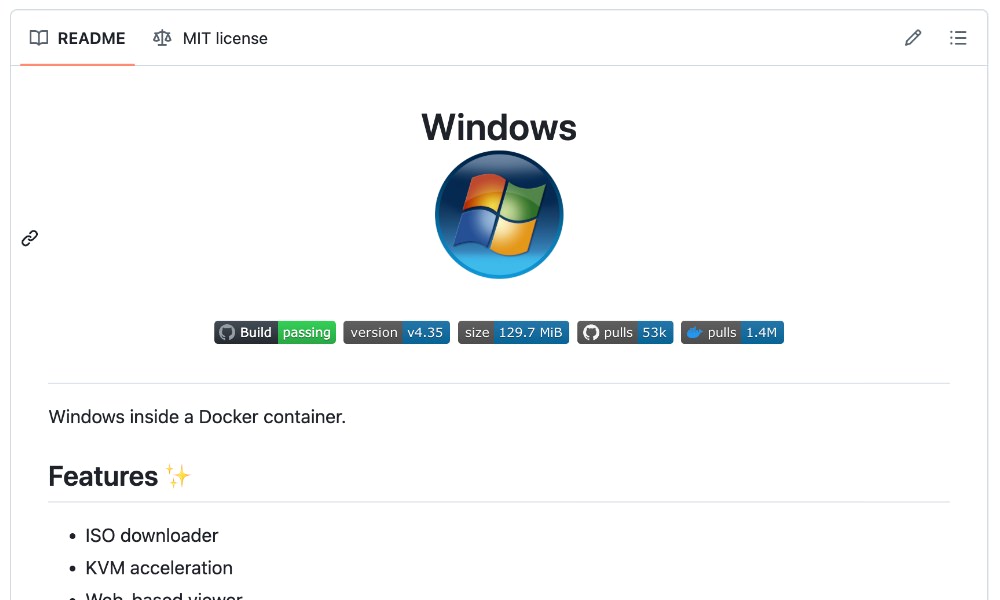
Dockur Windows allows you to spin up full Windows desktops and servers, from XP all the way to 11, with Docker containers. Instead of messing with heavy VM software, it leans on Docker with KVM acceleration. This provides a simpler and lighter way to test or play with Windows environments.
Key takeaway: Alpine Registry trims setup time so you focus on results, not plumbing.
Alpine Registry
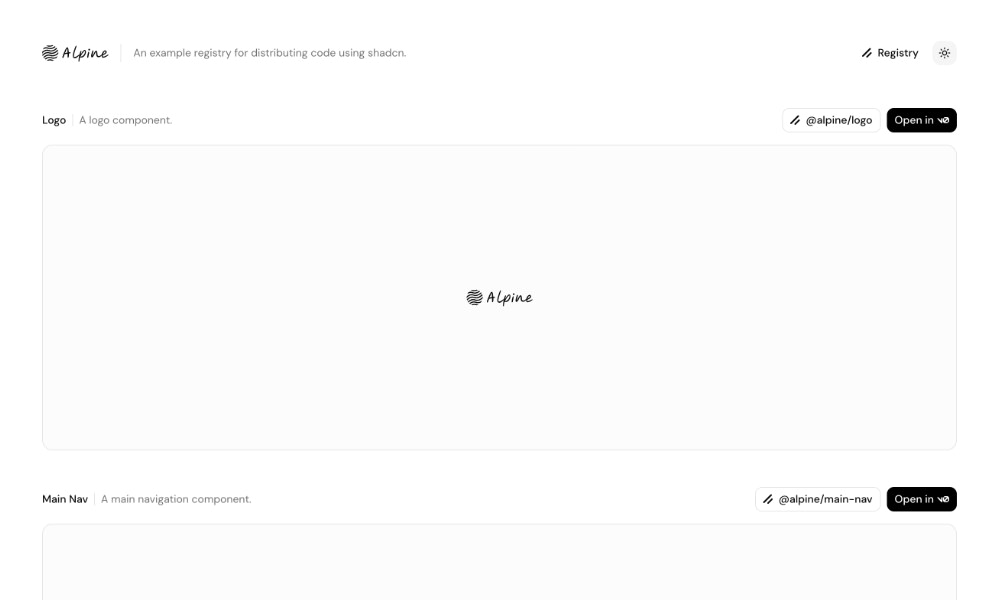
The Alpine Registry is an MCP-compatible example registry for distributing code with the shadcn/ui components. It works with the shadcn CLI to help automate setting up and managing React component libraries or design systems. A great utility if you’re using shadcn/ui and want to streamline your component pipeline.
Key takeaway: Motion Primitives trims setup time so you focus on results, not plumbing.
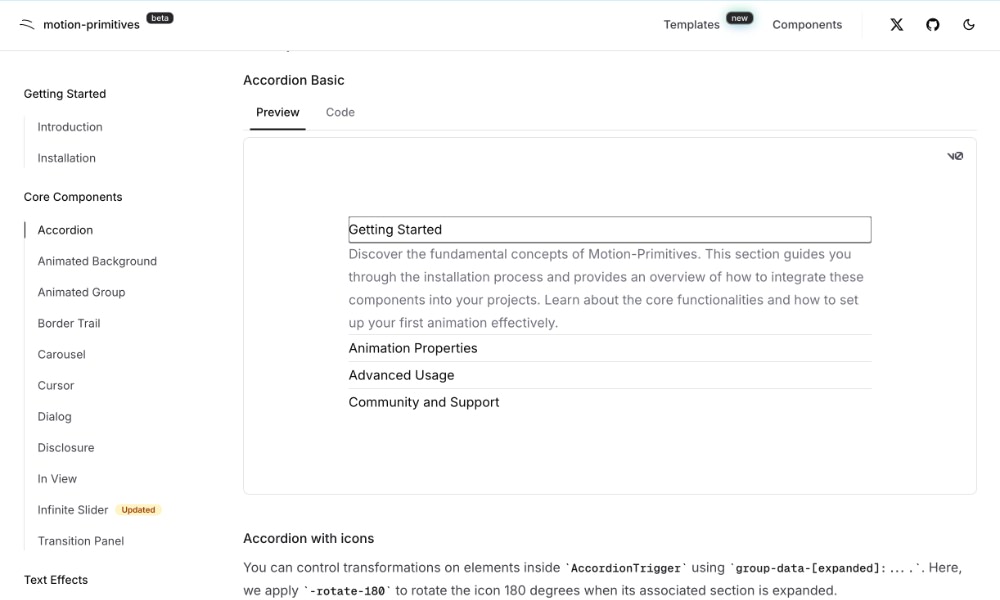
Motion Primitives
Motion Primitives is an open-source UI kit packed with ready-to-use motion components for React, Next.js, and Tailwind CSS. It makes adding smooth, polished animations to your app a breeze. A great resource if you want to enhance your UI with motion without building everything from scratch.